


We use cookies to deliver the best possible experience on our website. By continuing to use this site, or closing this box, you consent to our use of cookies.

Track
Filters
Sort by
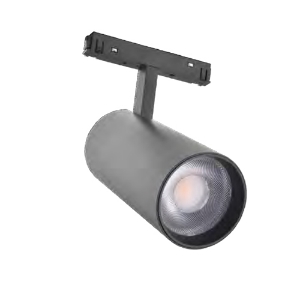
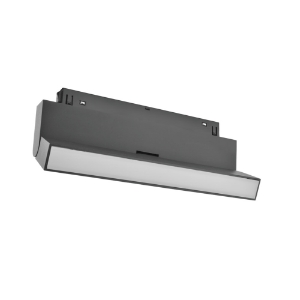
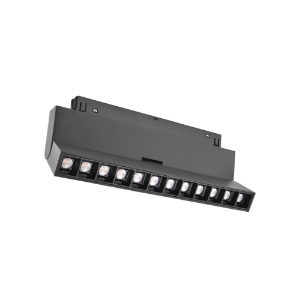
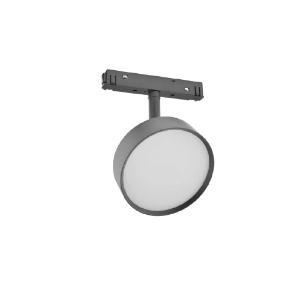
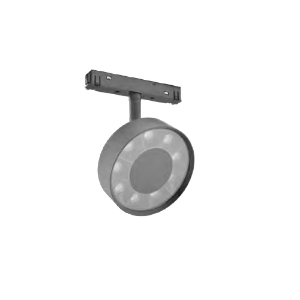
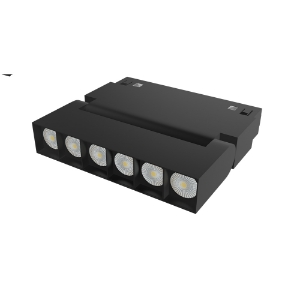
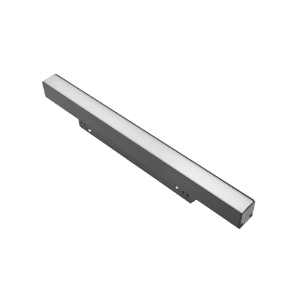
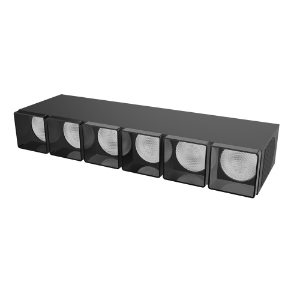
- Page 1 of 2 (18 total)
- 1
- 2
Magnetic Track Light
Magnetic lights are modular track lighting fixtures that use magnetic connectors for flexible positioning and tool-free adjustments. Combining efficient LED illumination with adaptable design, they allow seamless repositioning of light modules along the track to suit changing layouts and accent lighting needs while supporting consistent performance and ease of maintenance in various interior settings.
At Jaquar, we take pride in illuminating your world with our magnetic light solutions. As a global leader in bath and lighting solutions, we offer a sophisticated range of magnetic track lighting products that redefine the aesthetics and functionality of spaces. Our commitment to excellence ensures each lighting solution not only meets but exceeds the expectations of our discerning customers.
Discover ceiling magnetic lights and track lighting accessories for outdoor and indoor settings.
Types of Magnetic Lights
Jaquar’s magnetic light series is designed with versatility and innovation in mind. Each model caters to different lighting needs, ensuring optimal illumination for various environments:
- 01
Insta Ray Slim Diffused
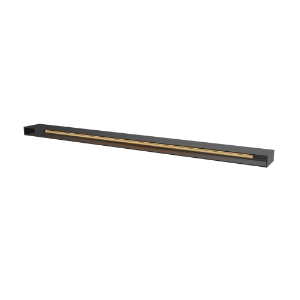
This LED adjustable magnetic track linear light is perfect for creating a soft, even glow in living spaces, making it ideal for general lighting in offices, retail spaces, and residential areas. Its diffused light output is perfect for creating a warm and inviting atmosphere.
- 02
Insta Ray Slim Fixed
This model features a focused beam, suitable as a magnetic work light that requires sharp,concentrated light for activities like reading or intricate work. Its adjustable beam angle allows you to direct light precisely where needed
- 03
Insta Ray Slim Diffused Tiltable and Insta Ray Slim Tiltable
Both models provide adjustable lighting solutions with their tiltable feature, giving you the freedom to direct light exactly where it is needed, enhancing functionality without compromising on style.
- 04
Insta Ray Round Slim and Insta Ray Slim Diffused Round
These round designs fit seamlessly into modern decor. The Round Slim is perfect for accent lighting, while the Diffused Round offers general illumination, making them versatile options for various settings
Magnetic Light Accessories
Complementing our lights, Jaquar offers a variety of accessories to enhance and customise your magnetic light track setups:
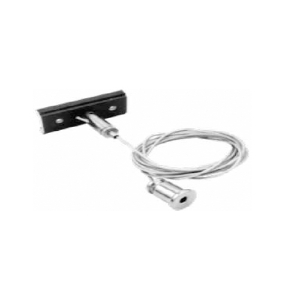
- Hanging Wire: Essential for proper installation, this accessory aids in the surface mounting of magnetic tracks, offering flexibility for ceiling track lights installations.
- Magnetic Track Bendable Input Line Connector: This flexible connector allows for easy adjustment of the magnetic track to fit unique spaces and angles.
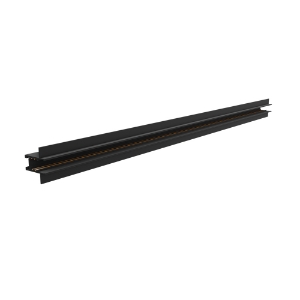
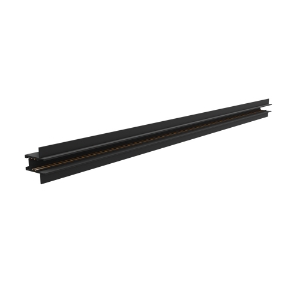
- Magnetic Track Connectors and Tracks: We offer L-shaped and slim track options designed for seamless integration into any architectural style. Choose from recessed or surface mounting solutions to best suit your needs.
Features
Jaquar magnetic track lights are synonymous with quality and durability. Features include:
- Energy Efficiency: All our lights are designed to be energy-efficient, significantly reducing electricity consumption and costs.
- Easy Installation: Our products are engineered for quick and straightforward installation, ensuring minimal disruption and immediate enhancement of your space.
- Adjustability:With options to adjust light intensity and direction, our lights offer flexibility to cater to different lighting needs. You can even create a dynamic light show with our flashing magnetic lights.
Colour Finishes:
Our magnetic lights come in a variety of finishes, allowing them to blend perfectly with any interior design. From classic white to modern metallics, each finish is carefully chosen to enhance the aesthetic appeal of your space.
Power Consumption Options
Jaquar’s magnetic lights are available in multiple power options from 6W to 40W, catering to varying intensity requirements while ensuring energy efficiency. This includes options suitable as magnetic work lights or as part of a larger magnetic track lighting system.
Why Choose Jaquar?
- Finishes: Our top-quality finishes ensure durability and aesthetic appeal.
- Unmatched Warranty: We stand by our products with up to a 10-year warranty, underscoring our commitment to quality and customer satisfaction.
- Longer Life: Designed to last, our lights promise enduring performance.
- Jaquar Care: Our dedicated customer service team is always ready to assist you and ensure you enjoy the full benefits of our products.
Magnetic Track Lighting: A Complete Guide to Planning Modern Interior Illumination
Magnetic track lighting offers a flexible approach to illuminating contemporary interiors. By combining a dedicated track with compatible light modules, it allows designers and property owners to create lighting arrangements that can adapt to different activities, display requirements and interior layouts. Rather than relying entirely on fixed ceiling lights, a magnetic lighting system can accommodate different forms of illumination along a shared track, helping create a coordinated lighting scheme.
For homes, offices, retail environments and hospitality interiors, magnetic track lighting can contribute to both the practical and visual aspects of a space. Its streamlined appearance complements modern architectural styles, while the availability of different fixture formats supports general illumination, focused lighting and accent lighting.
Jaquar's magnetic lighting collection includes options such as slim linear lights, round fixtures, tiltable models, diffused lights and magnetic track components. Selecting the right combination involves more than choosing an attractive fixture. Ceiling construction, room dimensions, lighting objectives, colour temperature, power requirements and installation planning all influence the final result.
1. What Makes Magnetic Track Lighting Different?
Traditional ceiling lighting generally uses individual fixtures installed at predetermined positions. Once installed, changing their locations may require additional wiring, ceiling work or replacement of the fixture. Track lighting introduces a shared mounting system that accommodates compatible lighting modules along a track.
Magnetic track lighting takes this concept further by using magnetic connections to position compatible light modules on the designated track. Depending on the system, fixtures can be repositioned or exchanged to adjust the lighting arrangement. This flexibility can be valuable in interiors where furniture, displays or functional requirements may change over time.
A complete installation typically consists of several elements:
- Magnetic track: The structural channel that accommodates compatible light modules.
- Lighting modules: Fixtures that provide diffused, linear, round or more focused illumination.
- Connectors: Components used to join track sections and create the required layout.
- Power supply and driver: Components selected according to the electrical requirements of the specific system.
- Mounting accessories: Components used for recessed, surface-mounted or suspended installation, depending on compatibility.
These elements must be selected as a coordinated system. Track dimensions, electrical ratings, connector types and fixture compatibility should be confirmed before procurement.
Magnetic track lighting is particularly useful when a project requires a consistent architectural appearance alongside the ability to adjust the distribution of light.
2. Plan the Lighting Around the Architecture
The most effective magnetic lighting arrangements begin with the architectural plan rather than the fixture catalogue. Ceiling geometry, room proportions, furniture placement and important visual features should guide the track layout.
A long rectangular room, for example, may benefit from a track running parallel to its principal axis. In a compact room, a shorter track positioned over a functional zone may be more appropriate. An open-plan interior may require several coordinated track sections to illuminate separate activities without making the ceiling appear visually crowded.
Consider the following factors before finalising a layout:
- The dimensions and proportions of the room.
- The location of doors, windows and circulation routes.
- The position of sofas, dining tables, workstations and display units.
- The location of artwork, textured walls or architectural details.
- The direction of natural daylight throughout the day.
- The intended combination of ambient, task and accent lighting.
A reflected ceiling plan can help coordinate these requirements. It should show the track positions, fixture locations, electrical connections and any suspended or recessed elements. This makes it easier for the interior designer, electrician and ceiling contractor to work from the same layout.
Avoid placing tracks simply to create geometric symmetry. Symmetry can be effective in some interiors, but functional alignment is often more important. A track should illuminate the areas where light is needed while maintaining comfortable sightlines and a coherent ceiling design.
3. Understand the Different Types of Magnetic Light Modules
Different magnetic lighting modules serve different purposes. Combining suitable fixture formats allows one track system to support a variety of lighting requirements.
Slim linear magnetic lights
Linear modules create an elongated distribution of light that works well with contemporary architectural interiors. Their form can complement long kitchen counters, corridors, work areas and open-plan spaces.
A linear fixture may be selected for general illumination or for a particular functional zone, depending on its output, optics and installation position. When planning linear lighting, consider how the light relates to the room's geometry and whether it should run parallel or perpendicular to the principal architectural lines.
Diffused magnetic lights
Diffused modules distribute light through a diffuser rather than producing only a concentrated beam. They can be useful where a softer, more visually uniform appearance is preferred.
These fixtures may be appropriate for living spaces, offices, circulation areas and other interiors that need practical illumination without an overly directional effect. The actual distribution depends on the product's optical design, so the technical information should be checked before specifying it for a particular room.
Fixed magnetic spotlights
Fixed modules provide illumination in a set direction determined by the fixture's design and installation position. They can be considered for planned lighting arrangements where the position of the target surface is unlikely to change.
Applications may include highlighting a wall feature, illuminating a display or directing light towards a selected area. The beam angle and distance from the target determine how concentrated or spread out the illuminated area will appear.
Tiltable magnetic lights
Tiltable fixtures allow the direction of the light to be adjusted within the limits of the product design. This can be useful when highlighting artwork, shelving, decorative surfaces or changing display arrangements.
Correct aiming matters. A fixture directed towards a reflective surface or positioned directly within a viewer's line of sight may create glare. Testing the direction of the light before finalising the arrangement can help improve the visual result.
Round magnetic light modules
Round fixtures provide a different visual rhythm from elongated linear modules. They can introduce contrast into a track layout or create a more compact lighting element over a particular zone.
The choice between round and linear modules should consider the desired distribution of light as well as appearance. A rounded fixture is not automatically a spotlight, and a linear fixture is not automatically suitable for general lighting. The optical characteristics of each product remain important.
Jaquar's range includes different magnetic fixture formats, so the selection can be based on the intended application and the technical characteristics of the chosen model.
4. Use Layered Lighting for Better Results
Magnetic track lighting is most effective when it forms part of a wider lighting strategy. A room usually benefits from more than one type of illumination, particularly when it serves several purposes throughout the day.
Three commonly used layers are ambient, task and accent lighting.
Ambient lighting provides the general illumination needed to move through and use a room. Depending on the project, this may come from diffused magnetic modules, ceiling lights or other general lighting fixtures.
Task lighting supports activities that require light in a particular location. Examples include reading, preparing food, working at a desk or examining products in a retail environment. A magnetic fixture may contribute to task lighting when its output and position suit the activity.
Accent lighting draws attention to selected visual features, such as artwork, textured walls, display shelves or architectural details. Directional or tiltable magnetic modules may be suitable for this purpose.
These layers should complement one another. A room illuminated only by accent lights may have attractive highlights but insufficient general illumination. Conversely, uniform lighting across every surface may make an interior feel visually flat.
A considered arrangement uses general lighting for usability, task lighting where activities require it and accent lighting to establish visual hierarchy. Other fixtures can be incorporated where a magnetic track alone does not meet the project's requirements.
Explore complementary ceiling lighting options when planning a complete ceiling scheme.
5. Magnetic Track Lighting for Living Rooms
Living rooms frequently serve several functions, including conversation, reading, entertainment and relaxation. The lighting arrangement should accommodate these activities without making the ceiling feel overly complicated.
A magnetic track can be positioned to illuminate selected zones, such as a seating arrangement, a feature wall or a display area. Diffused modules can contribute to general illumination, while compatible directional fixtures can highlight artwork or decorative details.
When planning a living room installation, consider the relationship between the track and the main furniture layout. A track positioned without reference to the seating arrangement may direct light onto empty floor space while leaving useful areas poorly illuminated.
Some practical considerations include:
- Align lighting with the main seating or circulation zones.
- Position accent fixtures to illuminate the intended wall or display.
- Avoid aiming bright sources directly towards television screens or seated occupants.
- Consider how daylight affects the room at different times.
- Retain additional lighting where reading or other close-up activities require a dedicated source.
A living room with a high ceiling may accommodate a more prominent track arrangement, whereas a smaller room may benefit from a simpler layout. The aim is to provide sufficient light while allowing the architecture and furniture to remain the main visual elements.
For additional decorative layers, magnetic tracks can be coordinated with decorative lighting rather than expected to fulfil every lighting role independently.
6. Magnetic Lights in Kitchens and Dining Areas
Kitchen lighting must support practical work while contributing to the overall appearance of the interior. Counters, preparation areas, islands and dining spaces have different illumination requirements.
A magnetic track positioned over a kitchen island may provide focused light for preparation or informal dining, provided the selected modules deliver suitable output and distribution. A track can also follow the main geometry of a kitchen, helping connect separate functional zones visually.
However, general ceiling illumination should not be assumed to provide sufficient task lighting everywhere. A person standing at a counter may cast a shadow over the work surface if the light source is positioned behind them. Under-cabinet lighting or another supplementary source may be needed to address this.
For kitchen and dining layouts:
- Map the location of counters, islands and dining furniture before fixing the track position.
- Consider shadows created by cabinets, occupants and overhead structures.
- Select the colour temperature according to the desired appearance of food, finishes and surrounding materials.
- Check that the chosen fixture provides an appropriate distribution for the intended task.
- Coordinate the lighting with extraction systems, cabinetry and ceiling services.
In a combined kitchen and dining room, separate lighting zones can help distinguish cooking and dining activities without requiring a physical partition. A carefully planned arrangement may provide stronger task illumination over the kitchen while allowing a softer visual emphasis over the dining table.
Where lighting controls are proposed, verify that the selected fixtures, drivers and control equipment are compatible. Dimming or smart-control functionality should never be assumed solely because a product uses LED technology.
7. Create a Focused Lighting Scheme for Bedrooms
Bedroom lighting should support everyday activities while maintaining a calm and visually balanced atmosphere. Magnetic track lighting can contribute to the overall scheme, especially when its position and direction are planned around the bed, wardrobes and circulation areas.
A track may be used to illuminate selected architectural features or provide general lighting through compatible diffused modules. Directional fixtures can highlight artwork or a dressing area when appropriately positioned.
Care is needed when placing strong light sources near the bed. A fixture directed towards a person lying down may cause discomfort, even if the same direction works well when the room is viewed from the doorway.
Consider combining magnetic lighting with bedside lamps or other dedicated reading lights. This allows each source to serve a specific purpose rather than relying on the ceiling track for every activity.
Wardrobe areas may also need particular attention. The position of the track should account for the depth of the wardrobe, the direction in which its doors open and the likelihood of shadows being cast by a person standing in front of it.
The result should be a coordinated scheme that supports different activities without requiring every fixture to operate at the same time or intensity.
8. Use Magnetic Lighting in Home Offices
A home office needs lighting that supports screen-based work, reading, writing and video calls. Magnetic track lighting can help illuminate the room, but its effectiveness depends on the relationship between the fixtures, desk and display screens.
Directing a bright source towards a monitor may create reflected glare. Placing a fixture behind the user may also produce unwanted shadows over paperwork or a keyboard.
A more considered arrangement positions the light to illuminate the working area while minimising reflections. Diffused modules can be useful for general illumination, while a dedicated desk lamp may provide additional local light when needed.
Before installation, assess:
- The direction the desk faces.
- The position of windows and likely daylight reflections.
- The location of monitors and other glossy surfaces.
- The tasks carried out at the desk.
- Whether the room is also used for meetings or other activities.
For video calls, the lighting should provide reasonably even illumination on the user's face without creating a strong bright area in the background. The best position may differ according to the camera angle and the amount of natural light.
A magnetic track can form part of this arrangement, but the overall result should be evaluated from the actual working position rather than from the doorway alone.
9. Magnetic Track Lighting for Retail and Display Spaces
Retail interiors often require lighting that can adapt to changing merchandise, promotional displays and seasonal layouts. Magnetic track lighting may be useful in these settings because compatible modules can be repositioned along the track to accommodate new focal points.
Directional fixtures can help emphasise selected products, display tables or wall-mounted merchandise. Diffused modules may provide broader illumination where a more consistent visual environment is required.
The key is to balance product emphasis with overall visibility. If every display receives a strong spotlight, the result may become visually busy. If the lighting is too uniform, important products may not stand out.
A practical retail lighting plan should consider:
- The typical viewing distance between customers and displays.
- The position and height of shelves.
- The reflectivity and colour of product packaging.
- Changes in display height or arrangement.
- The distinction between circulation areas and focal displays.
- The maintenance access required for the installed fixtures.
Colour rendering is also relevant where shoppers need to assess the appearance of clothing, furnishings, artwork or other coloured products. Jaquar's magnetic lighting category lists models with a CRI above 90, but the specification should be confirmed for the exact fixture selected rather than assumed across the entire range.
The lighting design should support product presentation without creating excessive glare or uncomfortable contrasts between adjacent areas.
10. Magnetic Track Lighting in Hotels and Hospitality Interiors
Hotels, restaurants, lounges and reception areas use lighting to establish atmosphere while maintaining practical visibility. Magnetic track systems can contribute to these spaces by allowing a coordinated combination of general and accent lighting.
In a hotel lobby, a track may be used to illuminate selected architectural features, artwork or reception areas. In a restaurant, the lighting layout may help distinguish circulation routes from seating zones. In a lounge, adjustable modules can support visual emphasis on selected decorative elements.
Hospitality projects should consider the full operating environment rather than the appearance of a fixture in isolation. Long operating hours, cleaning schedules, access to replacement components and the effect of lighting on guests all influence the specification.
Design teams should confirm the suitability of each fixture for its intended location, including any applicable requirements for commercial use. Electrical loads, mounting arrangements, control systems and maintenance access should be reviewed before the ceiling is completed.
A coherent scheme can also coordinate magnetic tracks with decorative lighting, including other fixture types where a different scale or distribution of light is required.
11. Choose the Right Colour Temperature
Colour temperature influences how a space looks and how its finishes are perceived. It is commonly expressed in kelvin (K), with lower values generally appearing warmer and higher values appearing cooler.
Jaquar's magnetic lighting category lists several correlated colour temperature options, including 3000K, 4000K and 6500K, with availability depending on the model.
3000K is generally associated with a warm-white appearance. It may suit living areas, bedrooms, lounges and hospitality settings where a warmer visual atmosphere is preferred.
4000K typically produces a neutral-white appearance. It may be considered for kitchens, work areas, retail spaces and other interiors where a less warm visual character is desired.
6500K generally appears cooler and more daylight-like. It may suit selected functional settings, depending on the design brief and the appearance required.
These are broad design considerations rather than fixed rules. The same colour temperature can appear different depending on surrounding surfaces, daylight, brightness and the other light sources in a room.
Mixing colour temperatures can be effective when each source serves a distinct purpose, but inconsistent lighting may make adjacent areas appear disconnected. If multiple modules are installed along one track, confirm their colour characteristics and consider how they will look when illuminated together.
For projects involving retail displays, artwork or material samples, colour rendering should also be assessed alongside colour temperature. The two specifications describe different aspects of light quality and should not be treated as interchangeable.
12. Understand Brightness, Wattage and Beam Angle
Selecting a fixture solely by wattage can lead to an unsuitable lighting scheme. Wattage indicates electrical power consumption, whereas lumens describe the quantity of light emitted. Neither specification, on its own, fully explains how the light will appear on a particular surface.
The beam angle influences the spread of light. A narrower beam tends to concentrate illumination over a smaller area, while a wider beam generally spreads it over a larger area. The actual distribution also depends on the fixture's optical design and distance from the target.
Jaquar's magnetic lighting category lists models with a 40-degree beam angle, alongside a range of wattages and lumen outputs. These specifications should be matched to the intended application and verified against the individual product information.
When comparing fixtures, assess the following:
- Lumen output: How much light the fixture emits.
- Wattage: How much electrical power it consumes.
- Beam angle: How broadly the light is distributed.
- Mounting height: How far the light travels before reaching the target.
- Optical design: How the fixture shapes and distributes the beam.
- Room surfaces: How walls, floors and furnishings reflect light.
For example, a focused beam may be useful for highlighting an artwork, but it may not provide enough coverage for a whole room. A diffused module may be better suited to broader illumination, depending on its output and distribution.
Lighting calculations or a suitable lighting simulation can help determine the number, spacing and output of fixtures for larger or more demanding projects.
13. Plan Recessed, Surface-Mounted and Suspended Tracks
The mounting method affects the ceiling appearance, installation requirements and accessibility of the lighting system. It should be chosen early enough to coordinate with the architectural and electrical drawings.
Recessed magnetic tracks
Recessed tracks are integrated into a suitable ceiling construction, creating a more flush appearance. They generally require coordination with the ceiling build-up, cut-outs, structural conditions and electrical routing.
The available ceiling depth and construction method must be checked before specifying a recessed system. A track should not be selected on appearance alone if the ceiling cannot accommodate its installation requirements.
Surface-mounted magnetic tracks
Surface-mounted tracks are attached to the ceiling surface. They may be suitable where recessing is impractical or where the design intentionally makes the track visible.
The ceiling must be suitable for the proposed fixings, and the track's mounting instructions should be followed. Surface mounting does not eliminate the need for careful planning of electrical connections and access.
Suspended magnetic tracks
Suspended installations position the track below the ceiling using compatible suspension components. They may be considered in spaces with high ceilings, exposed services or a design that benefits from a lower lighting plane.
Suspension length, alignment, fixing points and cable routing require careful coordination. The final arrangement should remain level and should not interfere with doors, signs, equipment or other overhead elements.
Jaquar's category includes recessed and surface mounting options, as well as accessories such as hanging wire for compatible arrangements. Always verify the approved mounting configuration for the exact track and accessory combination.
14. Understand Tracks, Connectors and System Compatibility
A magnetic lighting installation is a connected system, so track components should not be selected independently without checking compatibility.
Straight track sections may be sufficient for a simple layout, while more complex rooms may require connectors to create turns or join different sections. The appropriate connector depends on the geometry of the installation and the track system being used.
Before ordering components, confirm:
- The track type and dimensions.
- The required lengths and number of sections.
- Whether the layout needs straight or angled connections.
- The mounting method.
- The compatible electrical supply and driver.
- The number and power requirements of the intended fixtures.
- The installation instructions for all selected components.
The electrical load must be calculated for the complete arrangement, including the relevant system limits and any manufacturer-specified allowances. The driver must be appropriate for the system's voltage, total connected load and installation requirements.
Do not assume that two products are compatible simply because both are described as magnetic track lighting. Different systems may use different electrical configurations, dimensions or connection methods.
For Jaquar installations, consult the technical information for the selected track, modules, connectors and driver before finalising the bill of materials. This can reduce the risk of ordering components that cannot be used together.
15. Consider Energy Use and Long-Term Operation
LED-based magnetic lighting can provide a practical approach to illumination, but the overall energy performance depends on the selected fixtures, operating hours, output and control strategy.
A higher-wattage fixture is not necessarily the best choice for every application. The objective is to achieve the required illumination with an appropriate combination of light output, distribution and electrical consumption.
To assess operating requirements, estimate how many hours each lighting zone will be used and which fixtures need to operate simultaneously. A retail display, for example, may require a different operating schedule from a residential reading area.
Useful considerations include:
- Compare lumen output and wattage rather than wattage alone.
- Select the light distribution according to the actual task.
- Avoid illuminating areas where light is not needed.
- Consider compatible switching or control arrangements for separate zones.
- Confirm dimming compatibility before specifying dimmers.
- Follow the manufacturer's maintenance and operating guidance.
The system's driver and other electrical components also influence reliability. Appropriate component selection, correct installation and suitable operating conditions all contribute to the long-term performance of the installation.
For a project where energy use is a significant consideration, compare the complete proposed lighting scheme rather than evaluating one fixture in isolation.
16. Plan Lighting Controls and Separate Zones
Lighting controls allow different areas to be operated according to their purpose. Even where the fixtures themselves are not adjustable, dividing a lighting installation into suitable circuits or zones can provide greater flexibility.
In an open-plan living and dining space, for instance, the general lighting over the living area may be controlled separately from the fixtures above the dining table. This can help the room adapt to different activities without changing the physical arrangement.
A retail environment may use separate controls for display lighting and general circulation areas. An office may distinguish work areas from meeting spaces or secondary rooms.
Control planning should take place before electrical installation. The designer and electrician should confirm the intended switching arrangement, control equipment, driver compatibility and any automation requirements.
If dimming or smart control is required, check the exact specifications of the fixtures and drivers. Not all LED products support every control method, and incompatible components may result in limited functionality or poor performance.
A well-planned control strategy can improve usability while keeping the installation straightforward to operate.
17. Coordinate Magnetic Lighting with Interior Materials
Light interacts with surfaces, colours and textures, meaning that the same fixture can produce different visual results in different interiors.
Light-coloured walls often reflect more light than dark finishes, while glossy materials can produce noticeable reflections. Textured surfaces may create stronger patterns of light and shadow, particularly when illuminated from an oblique angle.
Magnetic track lighting can be used to highlight these characteristics, but the direction and distance of the fixtures should be considered carefully.
For example, a directional light aimed across a textured wall may emphasise its surface relief. The same arrangement may reveal surface imperfections that are less noticeable under more diffuse illumination. A reflective stone or polished surface may require a different aiming position to minimise distracting reflections.
During design development, review the lighting against the actual or representative material samples wherever possible. This is especially valuable in projects involving feature walls, decorative panels, artwork or carefully selected finishes.
The track finish should also be coordinated with the ceiling and other visible fittings. A contrasting finish can make the system a deliberate architectural feature, while a more discreet finish may help it blend into the ceiling.
The right choice depends on the intended interior language, not on a universal preference for one finish.
18. Installation and Electrical Planning
Magnetic track lighting requires careful installation even when the system is designed for flexible positioning. The track, electrical supply, driver, connectors and mounting components must all be installed according to the manufacturer's instructions.
The installation plan should identify the required electrical connections, the position of the power supply, access for maintenance and the mounting conditions. The relevant ceiling contractor and electrician should coordinate their work before the ceiling is closed or finished.
Important checks include:
- Confirming the correct track system and compatible fixtures.
- Verifying the electrical ratings and driver requirements.
- Checking the total connected load against system limits.
- Ensuring that the ceiling and fixing points can support the installation.
- Maintaining access to components that may require inspection or replacement.
- Confirming that the installed arrangement matches the approved drawings.
- Testing the lighting and controls before handover.
Electrical installation should be carried out by a qualified professional in accordance with applicable local requirements. Fixtures and components should not be modified beyond the manufacturer's instructions.
Where several track sections are joined, alignment and secure connections are particularly important to the appearance and operation of the completed installation. A final inspection should verify both the mechanical installation and the electrical arrangement.
19. Maintenance and Future Adjustments
One of the practical advantages of a modular lighting approach is that compatible fixtures may be repositioned to accommodate changing requirements. However, flexibility does not remove the need for routine care and maintenance.
Dust can accumulate on visible track surfaces and fixture housings. The appropriate cleaning method depends on the materials and finish, so the manufacturer's care instructions should be followed. Before cleaning or servicing, isolate the relevant electrical supply as required by the product instructions and applicable safety procedures.
A maintenance plan should account for the type of property and its operating hours. Residential installations may require occasional cleaning and inspection, while commercial and hospitality environments may need a more structured maintenance schedule.
If a fixture needs to be replaced, confirm its compatibility with the installed track and electrical system. A similar appearance does not guarantee that a different module will fit or operate correctly.
For larger installations, keeping a record of the installed track types, drivers, fixture references and technical documents can make future maintenance more straightforward. It can also help when a room layout or display arrangement changes.
20. Common Magnetic Lighting Planning Mistakes
A carefully selected product range can still produce disappointing results if the lighting layout is not properly planned. Several common mistakes can be avoided during the design stage.
Choosing fixtures before defining the purpose of the lighting: Begin by identifying the areas that need general, task or accent illumination. Select the fixtures only after the intended roles are clear.
Using one fixture format for every application: Different rooms and surfaces may need different light distributions. Combining compatible diffused and directional modules can provide a more balanced scheme.
Ignoring mounting height and beam spread: The illuminated area changes according to the distance between the fixture and the target. Consider both factors before deciding the number and spacing of modules.
Overlooking ceiling construction: Recessed and suspended arrangements have different installation requirements. Confirm feasibility before committing to the track layout.
Assuming all components are interchangeable: Tracks, drivers, connectors and fixtures must be compatible. Check the technical documentation for the exact products being specified.
Ignoring glare and reflections: A light aimed towards a screen, glossy surface or occupant's direct line of sight may create discomfort. Review fixture positions from the perspective of the people using the room.
Leaving controls until the end: Switching zones, dimming and smart-control requirements can affect wiring and component selection. Include them in the original design.
Failing to plan maintenance access: Drivers and other serviceable components should remain accessible according to the installation requirements. Avoid designs that make routine inspection unnecessarily difficult.
Addressing these points before installation helps create a lighting scheme that is both visually coordinated and practical to maintain.
21. Magnetic Track Lighting for Different Project Types
The requirements of a magnetic lighting installation vary by project. A residential room, a boutique retail outlet and a hotel reception area may use the same general lighting concept but require different fixture combinations and installation details.
Residential projects
Homes often prioritise visual comfort, flexibility and integration with furniture and finishes. The track should be aligned with the room layout, with separate lighting layers added where necessary for reading, cooking or other specific activities.
Offices and workspaces
Workspaces require attention to illumination levels, glare, monitor reflections and the relationship between the lighting and the work surface. Fixture placement should be evaluated from the actual seated and standing positions used in the room.
Retail and showrooms
Retail installations benefit from adaptable display lighting, appropriate colour rendering and the ability to adjust visual emphasis when merchandise changes. A consistent general lighting layer should support the display lighting rather than compete with it.
Hotels and restaurants
Hospitality projects may need different lighting scenes for arrival, dining, circulation and relaxation. Maintenance access, operating schedules and control requirements should be considered alongside the desired atmosphere.
Galleries and display environments
Art and display spaces require particular attention to beam direction, colour rendering, glare and the requirements of the displayed objects. The selected lighting should be appropriate for the materials and any project-specific conservation requirements.
In every setting, the final specification should reflect the real requirements of the space rather than relying on a standard arrangement for all applications.
22. A Practical Checklist for Choosing Magnetic Lights
Before finalising a magnetic track lighting system, review the project against the following checklist.
Lighting objectives
- Identify which areas require ambient, task and accent lighting.
- Decide whether the track should be a discreet element or a visible design feature.
- Identify the surfaces, furniture and displays that need focused illumination.
Fixture selection
- Compare linear, round, diffused, fixed and tiltable formats.
- Review lumen output, wattage, beam angle and colour temperature.
- Confirm colour rendering requirements for the intended application.
- Check the product-specific mounting and electrical specifications.
Track and accessories
- Select the appropriate track type and length.
- Identify the required connectors and mounting accessories.
- Verify the compatibility of every module and electrical component.
- Confirm the driver requirements and total connected load.
Installation
- Coordinate track positions with the ceiling plan and interior layout.
- Confirm that the ceiling construction supports the chosen mounting method.
- Plan electrical connections and access for future maintenance.
- Arrange installation and testing by qualified professionals.
Operation and maintenance
- Determine which lighting zones need independent control.
- Confirm dimming or smart-control compatibility if required.
- Follow the manufacturer's cleaning and maintenance guidance.
- Retain product references and technical documentation for future servicing.
Completing these checks helps ensure that the selected system suits the project in terms of appearance, illumination, compatibility and long-term operation.
Create a Flexible Lighting Scheme with Jaquar Magnetic Lights
Magnetic track lighting provides a considered way to combine architectural design with adaptable illumination. Its modular approach can support different fixture formats, help establish lighting zones and accommodate changes in the way a room is used.
The best results come from treating the track, fixtures, electrical components and surrounding interior as parts of one coordinated system. Room dimensions, ceiling construction, lighting distribution, colour temperature and maintenance access should all inform the selection process.
Jaquar's magnetic lighting range includes options for different interior applications, with product formats and mounting configurations that can be evaluated according to individual project requirements. Reviewing the technical details of each model is essential to selecting compatible components and achieving the intended lighting effect.
For a more complete lighting plan, magnetic tracks can be coordinated with other ceiling lights, decorative lighting and LED strip lighting. Combining these solutions thoughtfully can create a layered interior that balances general illumination, functional visibility and visual emphasis.
By starting with the needs of the space and selecting each component accordingly, homeowners, designers and project professionals can develop a magnetic lighting scheme that complements the architecture while remaining practical for everyday use.
FAQs
Q. Where can magnetic LED lights be used?A. Magnetic LED lights can be used in various indoor settings, such as homes, offices, retail spaces, and art galleries.
Q. Are magnetic LED lights easy to install?
A. Yes, our magnetic LED lights are designed for quick and straightforward installation.
Q. Can magnetic LED lights be used outdoors?
A. Yes, certain models are designed for outdoor use, and equipped to handle various weather conditions.
Q. Are magnetic LED lights waterproof or water-resistant?
A. Yes, our outdoor models are water-resistant, making them suitable for exterior environments.
Q. Do magnetic LED lights require batteries or are they rechargeable?
A. No, our LED lights are directly powered, eliminating the need for batteries or recharging.
Q. How long do magnetic LED lights last?
A. Jaquar Magnetic LED lights are built to last, with a lifespan extending up to 50,000 hours under normal usage