


We use cookies to deliver the best possible experience on our website. By continuing to use this site, or closing this box, you consent to our use of cookies.

Mounting Accessories
Filters
Sort by
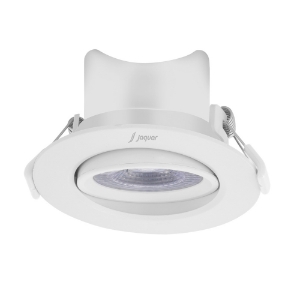
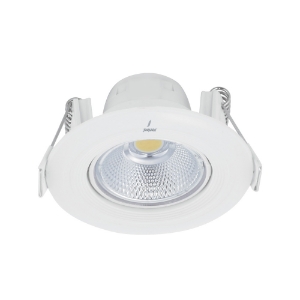
LED Downlights: A Complete Guide to Modern Ceiling Lighting
LED downlights are a practical lighting choice for contemporary homes, offices, hospitality spaces and commercial interiors. Installed within or directly onto a ceiling, they provide illumination without requiring a large decorative fixture to dominate the room. Their compact appearance makes them suitable for interiors where clean ceiling lines, functional lighting and a coordinated architectural design are important.
However, choosing the right LED downlight involves more than selecting a wattage or deciding between round and square designs. Light output, beam angle, colour temperature, ceiling construction, mounting method and the intended use of the room all influence the final result.
Jaquar's LED downlight range includes options with different wattages, colour temperatures, beam angles, dimensions and mounting formats. Understanding these differences can help homeowners, architects, lighting designers and contractors make informed decisions for individual rooms and larger projects.
1. Understanding LED Downlights and Their Applications
An LED downlight directs light from the ceiling towards the space below. Depending on its optical design and installation position, it can provide general illumination, focused lighting or supplementary light for a particular area.
Downlights are commonly considered for living rooms, bedrooms, kitchens, corridors, offices and selected commercial environments. The appropriate product depends on the room's dimensions, the required light distribution and the installation conditions.
Recessed LED Downlights
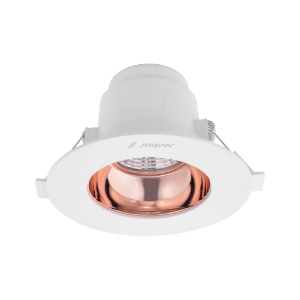
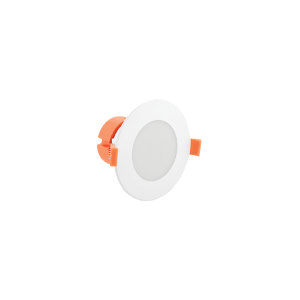
Recessed downlights are installed within a suitable ceiling opening, allowing much of the fixture to sit above the visible ceiling surface. This creates a streamlined appearance that works well in contemporary interiors.
They are frequently used with false ceilings, suspended ceilings and other constructions that provide adequate installation space.
Before selecting a recessed fixture, check its cut-out dimensions, overall depth, mounting requirements and access needs. The ceiling cavity must accommodate the product and any associated driver or electrical components in accordance with the manufacturer's instructions.
Recessed installation should be planned before ceiling work is completed, particularly in renovation projects where available cavity depth may be limited.
Surface-Mounted LED Downlights
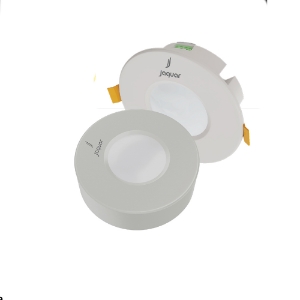
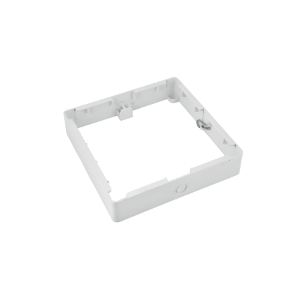
Surface-mounted downlights attach directly to the ceiling rather than sitting within a recessed opening. They can be useful when the ceiling does not provide sufficient depth for a recessed fixture or when cutting an opening is not practical.
Their visible profile becomes part of the interior design, so dimensions, shape and finish should complement the surrounding space.
Before choosing a surface-mounted product, consider ceiling height, mounting compatibility, fixture projection and how the fitting will appear alongside other ceiling elements.
Choosing Between Recessed and Surface-Mounted Designs
The choice depends primarily on the building construction and the desired appearance.
Recessed fixtures can create a more integrated ceiling, while surface-mounted designs may offer a practical alternative where installation space is restricted.
Neither option is automatically better for every project. Review the product dimensions, mounting instructions, maintenance access and ceiling conditions before making a decision.
Explore the LED downlights collection to compare available options according to the requirements of your space.
2. Plan Downlight Placement Before Installation
A well-designed downlight arrangement distributes illumination according to how a room is used. Simply placing fixtures at equal intervals may not produce the best result because furniture, walls, cabinetry and activity areas influence where light is needed.
Begin with the Room Layout
Start by identifying the room's dimensions, ceiling height, doors, windows, furniture and principal activity areas.
In a living room, the arrangement may need to account for seating, walkways and display features. In a kitchen, worktops and preparation areas may require additional attention. In a corridor, consistent illumination along the route may be more important than highlighting individual objects.
Marking the proposed fixture locations on a ceiling plan helps reveal potential conflicts before installation.
Consider Furniture and Working Surfaces
The position of a downlight affects where shadows fall. A fixture located directly behind a person working at a counter may cast a shadow across the surface, while a poorly positioned light above seating may create glare.
Consider where people will stand, sit and work when deciding the placement.
For kitchens and home offices, supplementary task lighting may be needed even when the ceiling contains multiple downlights. The objective is to ensure that important surfaces receive appropriate illumination without relying on ceiling fixtures alone.
Avoid Overcrowding the Ceiling
Too many downlights can make a ceiling visually busy and may increase energy consumption without improving comfort.
Instead, establish the lighting requirements for each zone and select a suitable combination of fixture output, beam angle and spacing.
The result should balance practical visibility with the architectural appearance of the room.
Coordinate with Other Ceiling Elements
Downlights may share ceiling space with air-conditioning outlets, ventilation grilles, sprinklers, smoke detectors, access panels and structural elements.
Check these locations before finalising the layout. In commercial buildings and false-ceiling projects, coordinated drawings can help identify installation conflicts before work begins.
3. Choose the Right Brightness for Your Space
Brightness selection should be based on the amount of light delivered to the intended area, not wattage alone.
Understand Lumens and Watts
Watts indicate electrical power consumption, while lumens indicate the total visible light output of a source.
Two LED downlights with the same wattage can produce different lumen outputs. Their optical systems, LED components and construction may differ, affecting how effectively light is delivered.
When comparing products, review the stated lumen output alongside wattage, beam angle and the intended application.
Consider Room Size and Ceiling Height
A larger room may require more fixtures or a different light distribution strategy than a compact room. Higher ceilings can also change how much light reaches the occupied area.
However, increasing wattage is not always the best solution. The beam angle, fixture spacing, wall reflectance and location of the illuminated surface also affect the result.
For rooms with complex layouts or specific lighting requirements, a lighting calculation can help determine suitable fixture quantities and positions.
Balance General and Task Lighting
General illumination should support movement and everyday use, while task lighting provides additional light where particular activities take place.
For example, a kitchen may use ceiling downlights for overall illumination and under-cabinet lighting for worktops. A study may combine ceiling fixtures with a desk lamp.
This layered approach can be more effective than trying to achieve every lighting requirement through high-output ceiling fixtures.
4. Understand Beam Angles and Light Distribution
Beam angle describes the spread of light emitted by a fixture. It influences how much area a downlight illuminates and how concentrated the light appears.
Jaquar's Sri Lanka category lists downlight options with different beam angles, including wider distributions suited to broader illumination. The most appropriate selection depends on the intended effect and the distance between the fixture and the target surface.
Wide Beam Angles for General Illumination
A wider beam spreads light across a broader area. This can be useful when the objective is to illuminate a room or distribute light across a ceiling zone.
However, beam width alone does not guarantee uniform illumination. Fixture spacing, mounting height, output and surface reflectance also influence the result.
Narrower Beams for Focused Lighting
A narrower beam concentrates light over a smaller area. This may be useful for highlighting artwork, architectural details, selected display areas or particular surfaces.
Focused lighting can introduce visual contrast, but poorly positioned beams may create bright spots or strong shadows.
Before choosing a narrower beam, consider the target size, distance from the fixture and surrounding illumination.
Combine Beam Angles Where Necessary
Some spaces benefit from a combination of general and focused lighting. Wider beams can provide the primary illumination, while more directional fixtures can emphasise selected features.
The combination should be planned carefully so that the room does not contain distracting variations in brightness or competing visual focal points.
5. Select a Suitable Colour Temperature
Colour temperature affects the perceived character of white light. It is generally measured in kelvins (K), with lower values appearing warmer and higher values appearing cooler.
Jaquar's LED downlight category lists colour-temperature options including 3000K, 4000K and 6500K, depending on the product.
Warm White Downlights
Warm white lighting has a softer, more amber-toned appearance. It is often considered for bedrooms, living rooms, dining spaces and hospitality interiors where a relaxed atmosphere is desired.
Warm illumination can complement timber, warm metallic finishes, earthy colours and traditional interior details.
When used alongside other light sources, ensure that the colour temperature creates a consistent overall effect.
Neutral White Downlights
Neutral white lighting offers a balanced appearance and can suit kitchens, multipurpose rooms, workspaces and contemporary interiors.
Its suitability depends on the activity, surface colours and other lighting sources in the room.
Where several fixtures illuminate the same space, selecting compatible colour temperatures can help maintain a more consistent appearance.
Cool White Downlights
Cool white lighting produces a crisper visual appearance and may suit certain functional or work-oriented settings.
However, cooler light is not automatically more suitable for every task. Brightness, glare, colour rendering and the room's materials also influence visual comfort.
Choose the colour temperature according to the requirements of the space rather than assuming that one option is universally superior.
Maintain Colour Consistency Across Fixtures
Mixing noticeably different colour temperatures in the same visual area can create an inconsistent effect, particularly in open-plan interiors.
If downlights are used alongside decorative pendants, wall lights or LED strips, consider the combined appearance before finalising the selection.
Review the specifications of each product and, where possible, assess samples under representative lighting conditions.
6. Choose LED Downlights for Living Rooms
Living rooms often serve multiple purposes, including relaxing, reading, entertaining and watching television. Downlights can provide the general illumination needed for these activities while allowing decorative fixtures to establish the room's character.
Create Balanced General Lighting
Position downlights according to the room's dimensions and furniture arrangement rather than relying on a single central row.
Consider how light reaches the seating area, circulation routes and the perimeter of the room. Dark walls or large furniture pieces may influence how evenly the space appears illuminated.
Reduce Glare Around Seating and Screens
Downlights should be positioned with normal viewing angles in mind. Bright sources that are directly visible from a sofa or reflected on a television screen may become distracting.
Review the proposed arrangement from the principal seating positions and adjust fixture locations where necessary.
Complement Decorative Lighting
A living room may combine downlights with chandeliers, pendants, floor lamps or table lamps.
Downlights can provide general illumination while decorative fixtures and lamps contribute additional visual interest or more localised light.
Explore ceiling lights when planning a coordinated lighting scheme that combines functional ceiling fixtures with decorative options.
7. Use Downlights Effectively in Kitchens
Kitchen lighting must support food preparation, cooking, cleaning and movement. Downlights can provide broad illumination, but their placement should account for cabinetry, worktops and the user's position.
Illuminate Work Areas
A ceiling light may be partly blocked by the person standing at a counter, creating shadows across the work surface.
Consider the relationship between downlights, wall cabinets and preparation areas. Supplementary under-cabinet lighting may be useful where more direct illumination is needed.
Account for Reflective Finishes
Glossy cabinets, polished countertops and other reflective materials can produce unwanted glare if fixtures are poorly positioned.
Review the light distribution and the likely viewing angles before finalising the arrangement.
Select Fixtures for the Installation Environment
Kitchen fixtures may be exposed to cooking residue, heat and regular cleaning. Check the manufacturer's instructions and ensure that the selected product is suitable for its intended position.
The product should be installed in accordance with the specified mounting, clearance and electrical requirements.
8. Plan Bedroom Downlighting for Comfort
Bedrooms need lighting for a range of activities, from dressing and organising belongings to reading and relaxing.
Provide General Illumination
Ceiling downlights can supply the primary illumination for the room. Their spacing and output should reflect the room's size, ceiling height and furniture layout.
Avoid placing fixtures where they shine directly into the eyes of someone lying in bed, particularly if the light will be used while relaxing.
Add Bedside Lighting
Bedside lamps or suitable wall lights can provide localised illumination for reading without requiring all ceiling lights to remain on.
Independent switching can make the room easier to use at different times of day.
Consider Dimming Compatibility
Dimming may provide flexibility between brighter illumination for practical tasks and softer lighting for relaxation.
Before specifying a dimmer, verify that the selected downlights and associated drivers are compatible with the proposed control system.
9. Consider Downlights for Bathrooms
Bathrooms combine general illumination with grooming activities and frequent moisture exposure. The suitability of each downlight must be evaluated according to its exact installation location.
Separate General and Mirror Lighting
Ceiling downlights can provide general illumination, while suitable mirror lighting can support grooming.
The placement should reduce distracting shadows across the face and avoid unwanted reflections from mirrors or polished surfaces.
Check the Product's IP Rating
An ingress protection (IP) rating indicates the level of protection an electrical enclosure provides against specified forms of intrusion, such as dust and water.
Not all downlights are suitable for every bathroom location. The required protection depends on the installation zone, applicable electrical regulations and the manufacturer's guidance.
The Jaquar Sri Lanka category lists some downlight products with an IP20 rating. Such a rating should not be interpreted as making a product suitable for direct water exposure. Verify the specifications of the exact fixture before installing it in a bathroom.
Follow Local Electrical Requirements
Bathroom electrical installations should comply with applicable local regulations and be completed by a qualified professional.
The installer should confirm the appropriate product rating, electrical connections, mounting arrangement and any additional requirements for the intended zone.
Do not assume that all LED downlights are waterproof or suitable for installation near showers and bathtubs.
10. Downlights for Corridors, Staircases and Entrances
Circulation areas need lighting that supports movement and helps users understand the route through a building.
Corridors and Hallways
A sequence of appropriately positioned downlights can provide consistent illumination along a corridor. The spacing should reflect the beam angle, ceiling height and desired light distribution.
Avoid creating bright patches separated by noticeably dark areas. For long corridors, the lighting should be evaluated as a complete arrangement rather than as individual fixtures.
Staircases
Staircases require particular attention because changes in floor level can affect movement. Lighting should make steps and landings easy to distinguish without creating glare or harsh shadows.
The fixture positions should be coordinated with the staircase geometry and the direction in which users approach the steps.
Entrance Areas
Entrance lighting helps establish a clear transition between spaces and provides practical illumination near doors and circulation areas.
Consider the ceiling height, door position and adjacent decorative elements. For exterior-facing entrances, verify that the selected fixture is suitable for the environmental conditions at the installation point.
11. Select Downlights for Offices and Commercial Interiors
Commercial spaces may operate for extended periods and have specific requirements for visual comfort, maintenance and energy use.
Office Lighting
Office downlights should support general visibility while limiting glare and distracting reflections on computer screens.
The lighting arrangement should be assessed alongside desk layouts, monitors, meeting areas and daylight from windows.
Depending on the project, a combination of general lighting and task lighting may provide a more effective solution than relying exclusively on ceiling downlights.
Retail and Showrooms
Downlights can provide general illumination across a retail space, while focused lighting may be used to highlight displays and products.
The beam angle, colour rendering and fixture position influence how products appear. Avoid arrangements that create strong glare on glass displays or polished surfaces.
For retail projects, the lighting scheme should also accommodate changes to displays and merchandise layouts.
Hotels and Hospitality Spaces
Hotels combine different lighting environments, including guest rooms, corridors, reception areas, restaurants and service spaces.
Downlights can support general illumination in many of these locations, while decorative fixtures provide a distinctive design element in selected areas.
Standardising suitable fixture types across similar spaces can simplify maintenance, but each area should still be evaluated according to its function and operating conditions.
Educational and Institutional Buildings
Classrooms, libraries, offices and shared facilities require lighting suited to their specific activities.
Fixture selection should consider ceiling height, room dimensions, glare, maintenance access and the applicable project specifications.
For large projects, a lighting designer can help assess the distribution and quantity of fixtures required to meet the intended lighting objectives.
12. Explore Downlights for Outdoor and Covered Areas
Outdoor and semi-outdoor applications require careful product selection because fixtures may be exposed to moisture, dust, temperature changes and other environmental conditions.
Covered Porches and Verandas
Downlights may be considered for covered entrances, verandas and other sheltered spaces when the selected product is rated for the installation conditions.
The presence of a roof does not automatically mean that a fixture is protected from moisture. Wind-driven rain, condensation and environmental exposure should be considered.
Garages and Driveways
Lighting in garages and driveways should provide suitable visibility for vehicle movement, parking and pedestrian access.
The fixture arrangement should account for ceiling height, the dimensions of the area and any obstructions that may affect light distribution.
For exterior installations, confirm that the product's specifications are appropriate for the actual location.
Landscape and Architectural Areas
Downlights may be used in suitable architectural or covered outdoor installations, but the precise application depends on the fixture design and environmental rating.
For landscape lighting, pathways and exposed building exteriors, consider whether a different type of outdoor-rated fixture is more appropriate.
Do not select an indoor downlight for an exposed outdoor location without verifying its suitability.
13. Understand Energy Efficiency and Operating Requirements
LED downlights are commonly selected for their potential to provide useful light output with relatively low electrical power consumption. However, actual energy use depends on the selected product, operating hours and number of fixtures installed.
Compare Lumen Output with Wattage
When comparing products, review both the lumen output and the power rating. This helps establish how much light a fixture produces relative to the electricity it consumes.
A higher-wattage fixture may be appropriate for a particular application, but wattage alone does not determine whether it is the most suitable option.
Consider Operating Hours
A downlight used for a few hours each day has a different operating profile from one used throughout a commercial working day.
For projects with many fixtures, estimating the expected operating hours can help compare the likely energy requirements of different arrangements.
Avoid Unnecessary Lighting
Overlighting can increase energy consumption without improving usability. A carefully planned arrangement should provide appropriate illumination where it is needed.
Separate switching or compatible dimming can help users control lighting according to activity, provided the fixtures and control equipment support the intended operation.
Review Product Lifespan Specifications
LED lifespan varies by product and operating conditions. Review the manufacturer's stated rating and the conditions under which it applies rather than assuming that every downlight has the same service life.
Installation quality, thermal conditions and electrical compatibility can also affect performance.
14. Check Colour Rendering and Visual Quality
Colour rendering affects how accurately a light source reveals the colours of objects and surfaces. It can be relevant in homes, retail displays, offices and other environments where colour appearance matters.
Understand CRI
The Colour Rendering Index (CRI) is one measure used to describe how a light source renders colours compared with a reference source.
Jaquar's category lists downlight options with a CRI specification above 80, depending on the product. Always verify the specification of the particular model being considered.
CRI should be evaluated alongside colour temperature, brightness and the intended application rather than used as the sole indicator of lighting quality.
Consider Wall and Ceiling Colours
Light interacts with the surfaces around it. Light-coloured walls may reflect more illumination into the room, while darker finishes can absorb more light.
Glossy surfaces may create reflections, while textured walls can produce visible shadows.
These characteristics should be considered when determining the fixture layout and the expected appearance of the finished space.
15. Plan Installation, Drivers and Maintenance Access
Technical planning helps ensure that downlights can be installed safely and maintained without unnecessary disruption.
Confirm Cut-Out Dimensions
Recessed downlights require openings that match the product's specified dimensions. The cut-out should not be determined by the visible trim diameter alone.
Check the product drawing and installation instructions before cutting the ceiling.
Check Ceiling Depth and Construction
The available cavity must accommodate the fixture and any associated components. Structural members, insulation, ventilation equipment and other services may limit the available space.
For surface-mounted fixtures, confirm the mounting method and suitability of the ceiling surface.
Plan Driver and Wiring Locations
Some LED downlights use separate drivers or power supplies. These components need to be installed according to the manufacturer's requirements and remain accessible where maintenance is necessary.
The electrical installation should be completed by a qualified professional, with attention to the specified connections, supply requirements and control compatibility.
Coordinate with Other Services
Before installation, check for conflicts with air-conditioning outlets, ventilation grilles, sprinklers, smoke detectors and access panels.
This is particularly important in false ceilings and commercial buildings, where multiple services occupy the same space.
Establish a Maintenance Routine
Dust and residue may accumulate on visible surfaces over time. Clean fixtures according to the manufacturer's instructions and avoid applying liquids to electrical components.
If a fixture flickers, shows visible damage or operates inconsistently, arrange an appropriate inspection rather than attempting an unauthorised repair.
Retain product references and installation information to simplify future maintenance and replacement.
16. A Practical Checklist for Choosing LED Downlights
Before purchasing LED downlights, review these considerations:
- Application: Identify whether the fixture will provide general, task or accent lighting.
- Mounting type: Choose recessed or surface-mounted fixtures according to the ceiling construction.
- Wattage and lumens: Compare electrical consumption with stated light output.
- Beam angle: Select a distribution suited to the area being illuminated.
- Colour temperature: Consider warm, neutral or cool white according to the room's purpose.
- Colour rendering: Review CRI where colour appearance is important.
- Dimensions: Confirm the fixture's diameter, depth and cut-out requirements.
- Environmental suitability: Check the IP rating and intended use, especially for bathrooms and outdoor areas.
- Controls: Verify compatibility before specifying dimming or automated systems.
- Installation: Check wiring, driver access, ceiling depth and mounting conditions.
- Maintenance: Consider cleaning access and the availability of product information.
- Layout coordination: Check fixture positions against furniture, architectural features and other building services.
Reviewing these factors before installation can help create a balanced lighting scheme and reduce avoidable changes during construction.
Create a Well-Planned Lighting Scheme with Jaquar
LED downlights can contribute to a clean, practical lighting design across residential, hospitality and commercial interiors. Their effectiveness depends on choosing the right fixture for the room and planning its placement as part of the wider lighting scheme.
Jaquar's LED downlight range includes different wattages, colour temperatures, beam angles, dimensions and mounting formats. These options can be assessed according to the room's requirements, ceiling construction, desired light distribution and installation environment.
For a home, the priority may be comfortable general illumination, suitable task lighting and coordination with decorative fixtures. In commercial projects, additional considerations may include operating hours, maintenance access, consistent light distribution and technical coordination.
By evaluating product specifications, placement, brightness, colour temperature, environmental suitability and installation requirements together, homeowners, designers and project teams can select LED downlights that support both the function and appearance of the space.
LED Down Lights - Mounting Accessories
Welcome to Jaquar, where there is a downlight waiting just for you! Pick the recessed downlight that complements your house's style. Whether it's your kitchen or your corridor, choose the perfect downlight solutions from Jaquar to bring life to any space! Jaquar, a global brand known for its bathware and lighting solutions, can make any dull and boring space bright with a click! Discover the perfect downlight solution for your home today. Explore recessed downlights, ceiling down lights for indoor and outdoor spaces.
Types of Downlights
Indoor Downlights
Our adaptable indoor downlights will transform your interior spaces. They are the ideal blend of design and utility, whether for ambient lighting in living rooms or focused lighting in task areas. Select from a range of styles and finishes to match your interior decor.
- 01
Living Room Downlights
Create a warm, inviting atmosphere with adjustable brightness options.
- 02
Kitchen Downlights
Illuminate your culinary space with high-intensity lights highlighting every detail.
- 03
Bathroom Downlights
Enjoy a relaxing ambience with moisture-resistant downlights designed for bathrooms.
- 04
Bedroom Downlights
Set the perfect mood with dimmable options that offer comfort and functionality.
Outdoor Downlights
Our strong, weather-resistant outdoor downlights will improve the appearance of your house's exterior. They are made to withstand the weather while producing excellent illumination, perfect for showcasing architectural details or acting as security lighting.
- 01
Garden Downlights
Accentuate your landscape with strategically placed downlights highlighting plants and pathways.
- 02
Patio Downlights
Create an inviting outdoor living area with downlights that offer style and functionality.
- 03
Security Downlights
Ensure safety and visibility around your property with robust and reliable security lighting.
- 04
Garage Downlights
Brighten your garage or driveway with robust light fixtures designed for outdoor use.
Features
Following are the features of our downlights, which are designed to provide superior performance:
- Energy Efficiency: Our LED downlights brighten your space and help you save on energy bills. They offer high luminosity while using less power, making them a smart choice for your wallet and the environment.
- Adjustable Brightness: Our dimmable downlights let you create the ideal ambience in any space. You can easily adjust the brightness to your preference, whether you want a strong, focused light or a warm, comfortable glow.
- Extended Lifespan: Say goodbye to frequent replacements. Our ceiling downlights are designed for longevity, ensuring you enjoy years of reliable, high-quality lighting.
- Easy Installation: Bid farewell to regular replacements. Our downlights are built to last, so you can count on dependable, excellent lighting for many years.
- Wide Beam Angles: Our downlights' wide beam angles provide uniform lighting across huge regions. They offer thorough illumination, making them ideal for rooms of various sizes.
- Stylish Designs: We offer a variety of modern and traditional designs for downlights, so you can pick the ideal recessed downlight to complement your décor. Enhance the appearance of any space with our chic lighting selections.
- High-Quality Materials: Made from premium materials, our downlights are built to last. They maintain their aesthetic appeal and performance over time, offering you the best in quality and durability.
Colour Finishes:
Downlights are available in the range from a minimum of 3W to a Maximum of 22W.
Colours Available
Choose the ideal colour temperature for your space. Our downlights are available in various colour options: Blue, Cool White, Green, Neutral White, Pink, Red, Violet, and Warm White
Why Choose Jaquar For Downlights?
- Finishes: You can choose from a wide range of premium finishes, durable materials, and colour options, such as neutral white and warm white.
- Longer Life: Jaquar is ideal for high-pressure working environments. The materials are highly durable and protect light from dust and harmful chemicals. Our lights can last longer than any other brand.
- Unmatched Warranty: Jaquar is the first choice for downlights because of its 10-year lifetime product warranty.
- Jaquar Care: At Jaquar, our customer support staff is available to guide you not only during the buying journey but also provide you with after-sales support.
FAQs
Q. Where can downlights be used in home or commercial settings?A. Downlights can be used in both home and commercial settings, be it kitchen, corridor or bedroom, they can be installed anywhere easily.
Q. Are there waterproof downlights available for outdoor use?
A. Yes, waterproof downlights are available outdoors for safe usage.
Q. Can downlights be used in kitchens and bathrooms?
A. Yes, downlights can be used in kitchens and bathrooms. Whether outdoor or indoor, commercial or residential, they can be used anywhere.
Q. What is the lifespan of LED downlights?
A. LED downlights' minimum lifespan is 50,000 hours. If maintained properly, they can last for many years.
Q. Are LED downlights better than traditional halogen or CFL options?
A. Yes, LED downlights are highly efficient in energy savings, which makes them better than traditional halogen and CFL options.