


We use cookies to deliver the best possible experience on our website. By continuing to use this site, or closing this box, you consent to our use of cookies.

Floor Lamps
Filters
Sort by
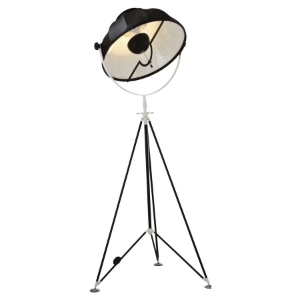
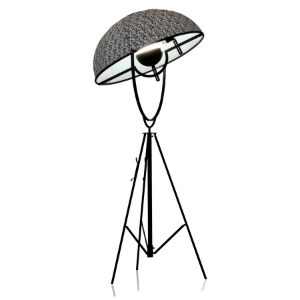
Floor Lamp
Floor lamps are freestanding lighting fixtures that provide ambient and task illumination while enhancing interior décor. Available in various heights, styles, and finishes, they deliver adjustable light to living areas, reading nooks, and workspaces. Designed for ease of placement and functional versatility, they help create layered, comfortable lighting schemes.
Forget the harsh glare of overhead lights. The standing floor lamps are lighting heroes, transforming your space with function and flair. Whether you’re crafting a cozy reading nook bathed in warm light or adding a touch of sophistication to your living room with modern floor lamps, choosing the right lamp can unlock a world of possibilities. Explore a range of modern standing lampshades, floor lights, reading lights and floor lamps for living room.
Types Of Modern Floor Lamps
Modern floor lamps come in a variety of styles and designs, catering to different aesthetic preferences and lighting needs. From sleek and minimalist standing lamps for living room to more ornate and decorative floor lamps, there’s a modern standing lamp to suit every taste and interior style. Some popular types include:- 01
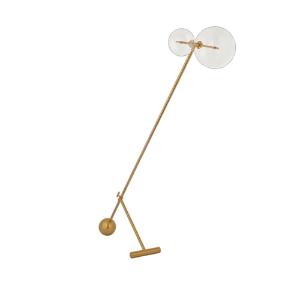
2 LT Floor Lamp (DFL-BRS-FL1260F)
This sophisticated brass beauty boasts two light sources, casting both ample illumination and a touch of elegance on any space.
- 02
Conical LED Floor Lamp (DFL-WHT-FLSM2155F)
Minimalism at its finest, this white lamp with its modern conical shape adds a touch of clean lines to contemporary settings.
- 03
Trumpet Style Floor Lamp (STL-GLD-FL1133F)
Embrace a touch of musicality with this luxurious, gold-finished lamp. It injects a dose of elegance and personality into your living space
Why Choose Modern Floor Lamps?
Modern floor lamps offer several advantages over traditional lighting fixtures. They not only provide practical illumination but also serve as stylish decor pieces, enhancing the overall look and feel of a room. Here are some reasons to consider modern floor lamps for your home
- 01
Light Control at Your Fingertips
Many modern floor lamps boast adjustable features, allowing you to customise the light’s direction and intensity to suit your needs.
- 02
Ambiance Architects
They instantly transform a room’s atmosphere, creating a warm and inviting haven perfect for relaxation or reading.
- 03
Space Savers
Ditch the bulky overhead lights. Floor lamps require minimal space, fitting seamlessly into any corner or area.
Color & Finishes:
Jaquar offers a range of color finishes to suit any decor:
- Black: Sleek and sophisticated.
- Brass: Timeless elegance.
- Chrome: Modern and chic.
- Gold: Luxurious and opulent.
- Grey: Subtle and versatile.
- Natural Wood: Warm and inviting.
- White: Fresh and bright.
Choose the perfect colour finish to enhance your living space with Jaquar’s premium floor lamps.
Why choose Jaquar for floor lamps?
Regarding quality, style, and reliability, Jaquar is a name you can trust for your floor lamp needs. Here’s why Jaquar is the preferred choice for premium floor lamps:
- 01
Finishes
Jaquar offers a wide range of finishes to complement any decor style, from classic brass to contemporary chrome.
- 02
Unmatched Warranty
With Jaquar, you can rest assured knowing that your floor lamp is backed by an unmatched warranty, providing peace of mind and quality assurance.
- 03
Longer Life
Jaquar floor lamps are built to last, with durable materials and craftsmanship, ensuring years of reliable performance and enjoyment.
04
Jaquar Care
As a global brand for premium bathware and lighting solutions, Jaquar is committed to providing exceptional customer service and support, ensuring a seamless shopping experience from start to finish.
Understanding the Role of Floor Lamps in Interior Lighting
Floor lamps offer a flexible way to introduce light at different heights without making permanent changes to a room's layout. Unlike ceiling-mounted fixtures, a freestanding lamp can be positioned beside a sofa, near an armchair, alongside a bed or in an unused corner. This flexibility makes floor lighting useful for both new interiors and existing spaces that need a more considered lighting arrangement.
A well-positioned floor lamp does more than brighten a dark area. It can establish a comfortable reading spot, soften the contrast between a bright ceiling light and darker surroundings, draw attention to architectural details and contribute to the visual balance of a room. Its height, silhouette, shade and finish also become part of the interior design.
When choosing floor lamps, it helps to begin with the purpose of the light rather than the appearance of the fixture alone. A lamp intended for reading requires a different position and light distribution from one used to highlight a decorative feature. Similarly, a lamp that provides a gentle evening glow may not offer enough illumination for detailed tasks.
The most effective lighting plans consider the way a room is used throughout the day. A living room may need comfortable illumination for conversation, focused light for reading and a softer setting for relaxing in the evening. Floor lamps can support these changing activities by working alongside the room's existing lighting.
Choosing the Right Floor Lamp for Your Space
The size and shape of a floor lamp should relate to the dimensions of the room and the furniture surrounding it. A tall fixture with a broad shade can create a strong visual presence, while a slim standing lamp can provide useful illumination without taking up much floor space. Neither approach is automatically better; the right choice depends on the available area and the intended function.
Consider Room Dimensions and Furniture Scale
Begin by assessing the height of the ceiling, the width of the furniture and the amount of open floor space. In a spacious living room, a sculptural floor lamp can help balance a large sofa or an empty wall. In a compact apartment, a narrow-base design may provide useful lighting without interrupting movement.
The lamp should look proportionate when viewed alongside nearby furniture. A very small fixture can disappear beside a substantial sofa, while an oversized shade may dominate a narrow seating area. Consider the complete silhouette, including the base, stem, shade and direction of the light.
Furniture height is particularly important. If a lamp sits beside a sofa or armchair, its light source should be positioned to suit the seated user's needs. A poorly positioned shade can expose the bulb directly to the eyes or cast light across an unhelpful angle. Reviewing the lamp from a seated position before finalising its placement can help identify these issues.
Check the Available Floor Area
A floor lamp requires space not only for its base but also for comfortable movement around it. Measure the intended position and account for nearby doors, drawers, seating and frequently used walkways.
A lamp with a compact base can suit a narrow corner, but the shade or extended arm may still project into the room. Similarly, an arched lamp needs enough clearance for its curved structure to sit above the intended lighting area. Check the entire footprint rather than considering the base alone.
In shared living areas, keep the lamp outside the main circulation route wherever possible. The cable should also be arranged so it does not cross a walkway or become trapped under furniture.
Match the Lamp to the Room's Purpose
A decorative floor lamp may be selected primarily for its appearance, while a task-oriented design must also provide suitable illumination. Some spaces benefit from a combination of these roles.
For example, a standing lamp with a broad shade can create a soft pool of light beside a sofa. A more directional design may be useful beside a reading chair or work area. A sculptural fixture can contribute to the interior even when the main purpose is accent lighting.
Defining the intended use first makes it easier to compare different floor lamps and avoid choosing a fixture that looks appropriate but does not support the activities taking place in the room.
Floor Lamps for Living Rooms
Living rooms often accommodate several activities, including conversation, reading, entertainment and relaxation. Relying exclusively on one central ceiling light can leave corners poorly illuminated and create a strong contrast between the centre of the room and its edges. Floor lamps provide another layer of light that can make the overall arrangement feel more balanced.
Create a Comfortable Seating Area
Positioning a floor lamp beside a sofa or armchair helps establish a defined seating area within a larger room. The lamp can visually anchor the furniture while providing light for reading, conversation or other quiet activities.
Consider the relationship between the lamp, the seat and the direction of the light. A shade that directs light downwards can create a localised pool of illumination, while a design that allows light to spread more broadly may contribute to the surrounding ambience.
Avoid placing the light source directly in the seated person's line of sight. If the lamp is intended for reading, check whether the page is sufficiently illuminated without creating distracting shadows from the user's hands or body.
Improve the Balance of Open-Plan Interiors
Open-plan homes often combine living, dining and other functional areas in one continuous space. A floor lamp can help distinguish the living zone without requiring a physical partition.
For instance, a standing lamp beside a sofa can visually define the seating area, while the dining zone uses a separate lighting arrangement. Keeping the fixtures coordinated through their finishes, shapes or colour temperatures helps maintain a consistent overall design.
In larger rooms, multiple floor lamps can be distributed across separate zones. They do not need to be identical, but their proportions and visual character should work together. A mixture of unrelated designs may make the space feel fragmented, while carefully selected variations can introduce interest.
Highlight a Decorative Feature
Floor lighting can draw attention to selected objects and architectural elements. A lamp placed near a textured wall, indoor plant or display area can create depth by introducing light and shadow at a lower level.
When highlighting artwork or decorative objects, consider where the light falls and whether the effect is comfortable to view. The goal is to create visual emphasis without producing harsh glare or unwanted reflections.
Floor lamps are particularly useful when a room needs an additional decorative element but wall mounting or electrical alterations are not practical. Their position can be adjusted as the furniture arrangement or interior styling changes.
Floor Lamps for Bedrooms
Bedroom lighting should accommodate different routines, from getting dressed and reading to winding down before sleep. A floor lamp can supplement the main ceiling fixture and introduce a more localised source of illumination.
Establish a Relaxed Evening Setting
A floor lamp with a shade that diffuses light can create a softer visual effect than a bright, exposed source. Placing it beside a lounge chair, dressing area or suitable corner helps distribute illumination across the room without relying entirely on overhead lighting.
The lamp's light output and colour temperature should be appropriate for its intended use. Warmer white light is often selected for relaxed evening environments, while a neutral white source may be more suitable for tasks that require clearer visual detail. The preferred setting depends on personal comfort and the surrounding finishes.
Complement Bedside Lighting
In bedrooms with limited bedside table space, a floor lamp can provide an alternative source of local illumination. It may be positioned beside a reading chair or, where the layout permits, near the bed.
Before choosing a fixture for bedside use, assess the height of the bed, the position of the headboard and the reach of the light. A lamp that sits too far away may provide insufficient illumination for reading, while one placed too close to the bed may obstruct movement.
Keep switches accessible and ensure the cable does not create a trip hazard. A freestanding lamp should remain stable on the floor and should not be positioned where it can be easily knocked over during normal movement around the bed.
Coordinate with Bedroom Finishes
Floor lamps can complement timber furniture, upholstered headboards, neutral walls and patterned soft furnishings. Black or white finishes may suit restrained contemporary interiors, while brass or gold-coloured details can coordinate with selected decorative accents.
Rather than matching every finish exactly, look for a visual relationship between the lamp and two or three elements in the room. Repeating a material or colour in a smaller detail, such as a furniture handle or decorative accessory, can create a cohesive result without making the design feel overly uniform.
Reading Corners and Task Lighting
A dedicated reading corner benefits from lighting that is comfortable, appropriately directed and easy to use. Floor lamps are well suited to this purpose because they can be positioned close to a chair without occupying a tabletop.
Position Light for Reading
Place the lamp to the side or slightly behind the reader, adjusting the direction so the reading material receives useful illumination. The ideal arrangement depends on the chair's orientation, the lamp's shade and the reader's preferred position.
Avoid a light source that shines directly into the eyes. Also consider the potential for shadows across a book or document. If the light comes from the same side as the hand used for writing, the hand may cast a shadow over the work. Testing the arrangement before settling on the final position can make the area more comfortable to use.
Consider Brightness and Colour Temperature
Brightness should be sufficient for the task without overwhelming the surrounding space. A reading light that is too dim may require greater visual effort, while excessive brightness can create glare, particularly against glossy pages or nearby reflective surfaces.
Colour temperature affects how the light appears. Warm white tends to create a relaxed atmosphere, while neutral or cooler white can provide a more alert visual environment. Neither is universally best for every person or activity, so the choice should reflect the task and the desired ambience.
Check the actual product specifications before assuming that a lamp supports dimming or adjustable colour temperature. These functions depend on the particular model, light source and control system.
Create a Dedicated Study or Work Zone
A floor lamp can supplement a desk lamp or overhead fixture in a home office. It may help illuminate the wider room or reduce the contrast between a brightly lit work surface and darker surroundings.
However, general room illumination and task lighting serve different purposes. A floor lamp placed behind a desk may not adequately illuminate the keyboard, paperwork or writing area. Use a suitable task light where more concentrated illumination is required.
For video calls, consider how the lamp appears within the camera frame. A bright shade or bulb behind the user may create an unbalanced image, while light directed towards a wall can provide a more even background. Positioning should be tested with the actual desk, screen and camera arrangement.
Layering Floor Lamps with Other Lighting Fixtures
A considered lighting plan combines different types of illumination rather than expecting one fixture to perform every role. Floor lamps can work with ceiling lights, wall-mounted fixtures, table lamps and architectural lighting to provide greater flexibility.
Combine Ambient, Task and Accent Lighting
Ambient lighting provides general illumination throughout a room. Task lighting supports specific activities such as reading, writing or working, while accent lighting draws attention to selected features.
A floor lamp may contribute to more than one layer, depending on its design and position. A shade that distributes light across the surrounding area can support ambient illumination. A directional lamp beside a chair can provide task lighting. A decorative fixture positioned near an architectural feature may function primarily as an accent.
The aim is not to add as many fixtures as possible. Instead, select sources that perform distinct roles and can be used independently when appropriate.
Coordinate with Ceiling Lights
Ceiling fixtures often establish the main lighting level in a room. Floor lamps can complement them by filling darker areas and providing an alternative when full overhead illumination is unnecessary.
Explore suitable ceiling lights when planning the broader lighting arrangement. Consider how the height, spread and appearance of the ceiling fixture relate to the standing lamps in the same space.
For example, a simple ceiling fixture may pair well with a sculptural floor lamp that introduces a decorative focal point. In a room with a prominent pendant, a more understated floor lamp may maintain visual balance. The combination should reflect the room's scale and the way the space is used.
Use Wall Lights to Add Depth
Wall lights can illuminate vertical surfaces and introduce another level of light into the room. When combined with floor lamps, they help avoid concentrating all illumination at ceiling height or in one corner.
Explore wall lights for seating areas, circulation spaces and selected decorative features. A wall light may frame artwork or add illumination beside a doorway, while a floor lamp provides local light near the furniture.
Pay attention to the direction of both sources. Overlapping beams can be useful, but poorly coordinated fixtures may create excessive brightness in one area and leave another underlit.
Introduce Table Lamps Where Appropriate
Table lamps are useful on bedside tables, side tables, consoles and desks. Their lower position creates a different lighting effect from a tall floor lamp.
A combination of table lamps and floor lighting can work particularly well in larger living rooms and bedrooms. A table lamp may illuminate a small surface, while a standing lamp provides light beside the seating area.
If several lamps are used in the same room, coordinate their light colour and visual character. Matching every fixture is not essential, but an intentional relationship between finishes, shade shapes and proportions helps the overall arrangement feel coherent.
Selecting Floor Lamp Styles and Finishes
The appearance of a floor lamp should complement the room without competing with its main features. Its base, stem, shade and finish each influence how it relates to the surrounding furniture.
Minimalist and Contemporary Interiors
Minimalist interiors often benefit from clear silhouettes, restrained finishes and uncomplicated forms. A slim standing lamp can introduce vertical interest without adding visual clutter.
Black, white and grey finishes can work alongside neutral walls and contemporary furniture. A simple lamp may also provide contrast against a textured surface or light-coloured upholstery.
Consider how the fixture looks when switched off as well as when illuminated. In a minimalist room, its outline may remain a noticeable design element throughout the day.
Traditional and Transitional Spaces
Interiors that combine traditional details with contemporary furniture can benefit from floor lamps with warmer finishes or more decorative forms. Brass-coloured details, curved stems and considered shade shapes can complement timber furniture, patterned textiles and classic architectural features.
A transitional interior does not require every fixture to follow the same period or style. A contemporary standing lamp can sit comfortably alongside traditional furniture when its proportions, finish and overall silhouette suit the room.
Coordinating Materials and Colours
The finish of a floor lamp influences the visual balance of the space. Dark finishes can establish contrast, lighter finishes can blend into a restrained palette, and metallic details can echo selected decorative elements.
When selecting a finish, consider the nearby door hardware, furniture legs, cabinet handles and other lighting fixtures. These details do not need to match exactly. Similar undertones or repeated accents can be enough to establish a relationship.
Also consider the shade material and how it affects the appearance of the light. An opaque shade generally directs light through specific openings, while a more translucent shade allows a softer glow to pass through its surface. The result depends on the material, light source and construction of the fixture.
Floor Lamps for Small Homes and Apartments
In compact homes, every piece of furniture should contribute to the usability of the room. A floor lamp can introduce additional illumination without requiring a side table, making it useful where floor area and furniture surfaces are limited.
Make Use of Unoccupied Corners
A corner that serves no practical purpose may benefit from a standing lamp, especially near a sofa, armchair or reading area. The fixture adds vertical interest and can make the surrounding space feel more considered.
However, a lamp should not be placed in a corner solely because space is available. Check whether the light will reach the intended area and whether the position supports comfortable movement.
Choose a Suitable Base and Profile
A narrow profile can be helpful in a small room, but stability remains important. The base must be appropriate for the lamp's height and structure, and it should sit securely on the floor.
Arched and extended designs require particular attention to clearance because the shade may reach well beyond the base. In a narrow room, this projection can interfere with seating or movement even when the base occupies little space.
Measure the available area before choosing the fixture, including the space needed to access nearby furniture.
Keep the Visual Arrangement Simple
Too many prominent fixtures can make a small room appear crowded. Consider whether the floor lamp should blend into the interior or act as a focal point.
If the room already contains patterned upholstery, statement artwork and decorative accessories, a restrained lamp may provide balance. In a simpler interior, a distinctive silhouette can add character without introducing additional furniture.
Floor Lamps in Hospitality and Commercial Interiors
Floor lamps can also support the lighting requirements of hotels, serviced apartments, reception lounges, private offices and selected hospitality environments. Their suitability depends on the function of the space, the required illumination, the furniture layout and the operational conditions.
Hotel Rooms and Guest Suites
In guest rooms, a floor lamp can provide a local source of light beside an occasional chair or seating area. It may complement bedside lighting and the room's main ceiling fixture, helping guests select a suitable lighting arrangement for different activities.
Designers should consider ease of use, placement and consistency across multiple rooms. Switches should be accessible, cables should be managed appropriately and the fixture should remain stable during normal use.
The lamp's finish and proportions should also coordinate with the room's broader design. A consistent lighting specification across a property can support a unified appearance, while carefully selected variations may be appropriate for different room categories.
Reception Areas and Waiting Lounges
Reception spaces and waiting areas often require a balance between practical illumination and visual character. A floor lamp beside lounge seating can help define the seating arrangement and make the space feel less dependent on overhead lighting.
In commercial settings, ensure that the fixture does not obstruct circulation routes, accessible pathways or access to doors and equipment. Consider the amount of foot traffic around the lamp and whether its position exposes it to accidental contact.
The cleaning and maintenance requirements should also be reviewed before selecting a fixture for a busy environment.
Offices and Meeting Areas
In offices, floor lamps may be used to supplement ambient lighting in informal meeting spaces, private offices or lounge-style collaboration areas. Their role should be assessed alongside the workspace's functional lighting requirements.
A decorative lamp is not necessarily a substitute for appropriate workplace illumination. The lighting plan should account for the tasks performed, screen positions, reflected glare and the needs of the people using the space.
For larger projects, confirm the product's installation requirements, electrical compatibility and suitability for the intended commercial application before specifying quantities.
Planning Placement Before Installation
Although floor lamps are generally movable, their placement should still be planned carefully. A little preparation helps avoid awkward shadows, obstructed movement and inconvenient cable arrangements.
Assess the Direction of Natural Light
Natural light changes throughout the day according to window orientation, weather and the surrounding environment. A corner that receives sufficient daylight in the afternoon may need additional illumination in the evening.
Observe how daylight enters the room before choosing the permanent position of a floor lamp. Consider whether the fixture will supplement a darker area or create an unnecessary bright spot beside a window.
The relationship between daylight and artificial light is especially important near reflective surfaces. Screens, mirrors, glass tables and glossy finishes can reveal distracting reflections if the light source is poorly positioned.
Review Power Access and Cable Routing
Check the location of electrical outlets before placing the lamp. A convenient position near a sofa may be unsuitable if the cable must cross a busy walkway.
Follow the manufacturer's instructions for electrical connection and use. Do not overload outlets or use an unsuitable extension arrangement to force a lamp into a preferred location. If the installation requires new wiring or changes to the electrical system, consult a qualified professional.
Keep cables away from areas where they may be pinched by furniture or exposed to moisture. The finished arrangement should be practical, accessible and visually tidy.
Check the Lamp on the Actual Floor Surface
A floor lamp should stand securely on a level, suitable surface. Thick rugs, uneven flooring or unstable decorative mats may affect how the base sits.
Where a rug is part of the design, check whether the base remains stable when placed on it. Avoid arrangements in which the lamp can easily wobble or tip during normal movement.
If the fixture has an adjustable arm or shade, make sure the intended adjustment does not make it unstable or extend it into a circulation route.
Light Quality, Colour Temperature and Visual Comfort
The usefulness of a floor lamp depends on more than its appearance. Light output, distribution, colour temperature and glare all influence the result.
Understand Light Distribution
Some lamps direct most of their illumination downwards, while others distribute light through a shade or towards surrounding surfaces. These differences affect whether a fixture is suitable for reading, general ambience or decorative emphasis.
A downward-directed light may illuminate a nearby book or seating surface, but it may not brighten the rest of the room. A fixture that sends light upwards can illuminate part of the ceiling and surrounding walls, depending on the room's surfaces and geometry.
Review the product information and, where possible, examine the lamp's lighting effect in a comparable setting before making a decision.
Consider Colour Temperature
Colour temperature describes whether light appears warmer or cooler. Warm white light often creates a relaxed atmosphere, while neutral white light may suit a wider variety of everyday tasks. Cooler white light can be appropriate in selected work-oriented settings.
Consistency matters when several light sources operate together. If the floor lamp has a noticeably different colour temperature from nearby ceiling lights, the room may appear visually divided into areas with different tones.
Choose the light source with the intended room use and surrounding lighting in mind. Always verify the supported bulb type, wattage and compatibility for the specific fixture.
Reduce Glare and Unwanted Shadows
Glare can occur when a bright source is directly visible or when light reflects off a glossy surface. Positioning the lamp so that the bulb is not in the direct line of sight can help create a more comfortable arrangement.
Shadows are also affected by the direction of the light and the position of nearby objects. When reading or working, test the lamp from the actual seated position rather than judging its performance while standing.
Adjusting the position of the lamp may solve the problem without requiring a different fixture. If glare persists, reconsider the shade design, light source and relationship with other lighting in the room.
Maintaining Floor Lamps Over Time
Routine care helps keep a floor lamp looking presentable and operating as intended. The appropriate maintenance method depends on the fixture's materials, finish and electrical design.
Clean the Fixture According to Its Materials
Switch off the lamp and disconnect it from the power supply before cleaning, following the manufacturer's instructions. Allow the light source to cool before handling components that may become warm during use.
Remove loose dust from the shade, stem and base using a suitable soft cloth or brush. Different materials require different cleaning methods, so avoid applying water, abrasive products or chemical cleaners unless the product instructions permit them.
Metallic finishes may be affected by harsh cleaning agents, while fabric shades may require a gentler approach. Test any permitted cleaning method on an inconspicuous area if the material's response is uncertain.
Inspect the Base, Stem and Cable
Periodically check whether the lamp remains stable and whether visible components show signs of damage. Loose connections, a damaged cable, a cracked shade or an unstable base should not be ignored.
Stop using a fixture with damaged electrical components and seek appropriate professional assistance. Do not attempt electrical repairs unless qualified to do so.
If the lamp has adjustable components, follow the manufacturer's guidance for positioning and maintenance. Avoid forcing joints or extending arms beyond their intended range.
Replace Light Sources Correctly
Where a floor lamp uses a replaceable bulb, select a compatible light source that meets the specified fitting and wattage requirements. Do not assume that every LED bulb is suitable for every fixture.
Integrated LED models may require a different maintenance approach from lamps with replaceable bulbs. Check the product documentation for the correct procedure and any service requirements.
Keeping the product information available makes future maintenance easier and helps ensure that replacement components are appropriate for the fixture.
Making a Considered Floor Lamp Selection
Choosing a suitable floor lamp involves balancing appearance, function, available space and the requirements of the people using the room. A visually striking fixture may be appropriate for a decorative corner, while a more restrained design may better support everyday reading or work.
Before making a final selection, review the lamp's dimensions, base stability, light distribution, shade design, finish and electrical requirements. Consider how it will interact with existing furniture, natural light and other lighting fixtures. For commercial projects, also confirm that the selected model is suitable for the intended setting and operational requirements.
It is useful to compare products in the context of the complete room rather than evaluating them in isolation. A finish that looks attractive in a product photograph may appear different alongside the actual flooring, upholstery and wall colours. Similarly, a lamp's proportions can feel quite different once placed beside a full-sized sofa or armchair.
Jaquar offers floor lamp designs in a range of forms and finishes, providing options for different interior preferences. Selecting a fixture according to the needs of the space helps create a lighting arrangement that remains practical as well as visually consistent.
A well-planned floor lamp can add useful illumination, establish a comfortable reading area, emphasise a carefully chosen interior detail and complement the room's overall design. By considering placement, light quality, scale and maintenance together, homeowners and project designers can make more informed lighting decisions for a variety of residential and commercial environments.
- Choose a yellow light if you’re reading for pleasure or leisure. However, if you’re reading for school or work, you should use white light.
- Eye strain will result from a light that is too dim, as you will struggle to focus on the words you’re reading. Therefore, it is recommended to use lights with a luminous output of roughly 450 for reading. That is the same as 50 watts.
- When we are exposed to layers of light rather than a single harsh source, our eyes feel more at ease. Therefore, when reading, you should use a more focused source of light in addition to basic overhead illumination. This lamp should be placed near you, perhaps on a nightstand, and it should be adjustable.
- The majority of LEDs are directional, meaning they only emit light in one direction. This allows light to be cast exactly on your book while avoiding bothering others.
- Not all lighting fixtures, such as chandeliers, lamps, and sconces, should have the same size. Otherwise, the eyes striving for visual clarity would not find it. A chandelier is a terrific focal point for ample space, such as dining or family rooms. Consider a unique floor lamp or vintage-inspired sconces flanking a piece of wall art in a smaller area.
- Lighting should not overrun a space, but it should also not be lost. When it comes to selecting the ideal light fixtures for your room, scale is essential, and following a few rules will help you get the desired look. Any room’s length plus width in feet should equal a chandelier’s diameter in inches.
- When it comes to lighting, layering is crucial. Every place, including the powder room or entrance, should have at least three sources of light for the most acceptable balance. To accommodate fewer square feet in tiny places, lower the light wattage and light fixture size. Just remember to use the accent layer to draw attention to the extra elements you’ve added to your rooms.
- Dimmers can instantly transform the mood of a room while also saving you money on your electricity bill. To have additional control over your lighting, install dimmer switches in as many rooms and with as many fixtures as you want. To adjust the ambience and balance artificial and natural light, use dimmers.
- First, identify the ideal height range for your light by sitting in the area adjacent to where the lamp will be placed. Measure from the lamp’s mounting surface to eye level. This is your starting point. Divide the base measurement by three to get the shade’s average height. Add 18 inches to the shade measurement to get the estimated size.
- The lamp shade’s shape and appearance are significant stylistic considerations, but you should also choose a shade that complements how you’ll be using the light. For example, if you’re going to be watching TV with the design on, an opaque shade or one in a dark hue can assist reduce glare. On the other hand, a semi-opaque shade creates a warm glow for reading while also allowing for more excellent broad room illumination.
If the lamp is to be used for reading, a lamp with a wattage of 60 or higher is recommended. Choose a dimmable light for more flexibility. Finally, get your hands on the best light lamps by Jaquar.
- You can use led strip lights and place them up, down, and across the frames. Then, bend and twist the strips in whichever way you like to decorate a space or a corner.
- Cover outdoor frames with LED lights that will withstand rain and snow. By alternating different-coloured strips that change colours automatically, you can give your house a unique and festive look.
- Spell out different words and phrases with tiny, flexible LED modules available at Jaquar. Ensure that your message is visible late into the night, which is assured by LEDs’ established reliability. At any time of night, the lights glow for endless hours without flickering or burning out.
- Wrap small LED lights around trees and plants in your home. Since LED lighting is great for highlighting, invest in a good light that highlights a single garden object. From the floor to the ceiling, place these LED lights anywhere in or around the garden.
- Kitchen: For optimal illumination, most kitchens, significantly bigger ones, will require many forms of lighting. Choose a ceiling fixture or recessed can lights that evenly disperse light across space for ambient (or overall) lighting. Then, to provide task lighting, place light sources immediately above work areas.
- Dining Area: A chandelier can be ornamental and be utilised for providing general lighting in a dining room. In a dining room with 8-foot ceilings, a chandelier should dangle about 33 inches above the table. Add 3 inches to the above-table dimension for each foot over 8 feet.
- Living Room: As living rooms are frequently used for a variety of activities, lighting that can readily adapt for informal entertaining, intimate movie evenings, and other activities is essential. Because it may offer ambient, job, or accent lighting, flexible track lighting is suitable for living rooms. To modify your lighting design at any time, you can move, swivel, spin, and individual aim lights.
- Bathroom: Incorrect bathroom lighting can be unpleasant and even dangerous. Avoid using lights that aim down at the mirror since they will cast unwelcome shadows. Instead, for more balanced illumination, hang pendants or sconces on either side of the mirrors. Consider adjustable sconces for a shared bathroom.
- Hallway: Hallways don’t have as many lighting considerations as other spaces because they serve as transition areas between rooms. For discreet illumination, choose a flush-mount ceiling fixture or a few sconces along the wall.
- The finest colour LEDs for studying are those with cool light colours, such as blues and whites. They are designed to look like daylight, which helps to keep your mind alert and focused. Cooler hues will ensure that you study with maximum concentration.
- From your brain’s perspective, white light is the closest thing to natural daylight. White light is made up of all light wavelengths at once, rather than just one. Blues have a similar impact, albeit at the lower end of the visible light spectrum.
- You’ll want your lights to be bright to simulate daylight in your study or dorm. Warmer, softer lighting can induce feelings of calm, relaxation, and sleepiness. Bright lighting will keep you alert and focused, allowing you to finish your responsibilities.
- Reds and oranges are warm colours with wavelengths on the higher end of the spectrum. Warm hues are those that your brain instinctively associates with sleep and bedtime. Warm colours with longer wavelengths elicit a reaction akin to that of a sunset or candlelight. In addition, warm hues provide a soothing environment that encourages your body to produce melatonin, the sleep hormone.
- Long cylindrical tube lights that emit wavelengths appropriate for studying should be utilised; tube lights emit less blue light than CFL and LED but are not energy efficient.
- The eyes are strained by CFL and LED lighting. This is because they emit blue light, which has a higher frequency than white light and hence has more penetrating strength. These frequencies can even reach your retina. Nowadays, Androids, Desktop Monitors, and other digital devices with screens come with features such as ‘Blue Light Filter,’ ‘Reading Mode,’ and ‘Dark Mode,’ all of which are designed to protect our eyes.
- The light frequency emitted by CFLs and LEDs inhibits delta waves in the brain and induces alpha waves, resulting in a reduction in sleep time and, in some cases, no sleep at all. As a result, it is customary to refrain from using your Android or PC for at least one or two hours before going to bed. As a result, both CFL and LED are like destructive twins for our eyes and studies; it is preferable to switch to a Tube light or a unique rechargeable light source.
- Ambient lighting, often known as low-key lighting, is a photographic technique that uses a single key light to illuminate the area. It’s a term for a particular style of lighting used in computer graphics. Ambient lighting is commonly used as the beginning point for a room’s interior design. Ambient lights make up the base amount of light.
- Designers, engineers, and constructors have employed these lights to give their spaces a unique aesthetic. Ambient lighting can take the form of ceiling downlights, table or floor lamps, or both. For all surfaces and overall directions, the amount of ambient light is constant.
- The light source for ambient lighting is chosen based on the user’s kind and use. You may use these lights to create a glow in the room by using soft white incandescents. Fluorescent lights can be used in big spaces such as utility rooms and garages to create a higher level of illumination.
If you want to highlight a particular architectural feature of your home, these lightings are ideal. You can use table lights to produce the best lighting effect. If you want to show off a superb piece of craftsmanship or photography, these lightings can help.
- Ambient lighting is general lighting that uses ceiling- and wall-mounted fixtures to diffuse light evenly. If the office is an afterthought and the overhead lighting is insufficient, it is critical to improve the amount of illumination.
- Include an adjustable clamp on the table to provide bright, focused illumination. When reading, writing, or working on the computer, use a desk lamp with dimmers to manage the light intensity.
- It’s worth noting that task lighting improves focus and decreases eye strain, making the office more comfortable. If your desk is small and you don’t have room for a table lamp, consider a floor lamp. To avoid shadows or reflections, make sure the desk lamp or floor lamp is on one side of the desk.
- To give your office a modern and fashionable look, add accent lighting. For example, installing a stylish pendant light above the desk or wall-mounted bracket lights to emphasise specific sections of the home office can help achieve this.
- The ceiling of the office should be lit with track lights. Each track light can be adjusted to spotlight or enhance specific parts of the office. For example, consider using under-cabinet lighting if your office contains overhead storage cabinets. Within the base of the cabinets, put LED strip lights or energy-efficient fluorescent lighting.
- The choice of a light hue greatly influences the kitchen’s aesthetics and functionality. Yellow to white is the most delicate colour. The colouring of the kitchen may be severely distorted if the light is too yellow. On the other hand, if the light is excessively bright, the kitchen will appear sterile, chilly, and unwelcoming.
- 7,000-8,000 lumens is the ideal illumination for the kitchen. For the kitchen, 100-watt incandescent lights with 7,000-8,000 lumens are perfect.
- The downlights or recessed lights should be directed toward the region where the most lighting is required. As a result, the best way is to place them over your kitchen table, stove, island, or worktops, as these places demand the most illumination.
- In the kitchen, warm white light is preferable. These lights give out a yellowish-white glow, which is ideal for this setting. A lamp with a tint of crimson is also a good choice; they’re thought to pique appetites and spark conversation! In terms of brightness, kitchens should have between 7,000 and 8,000 lumens.
- Astable lamps are connected to a cable with a switch; they are effortless to use. The main light switch in many ancient houses was constructed for 135 cm beds, which was the standard size a few decades ago. When you have a larger bed or even twin beds, the leading light switch may be obstructed by the larger bed. Therefore table lights are beneficial.
- The light will shine at a specific location in the room, depending on the shape and design of the table lamp. The light from table lamps is directed downwards and upwards, with the lampshade shading the bed area. Furthermore, turning the lamp around provides a general indirect source of lighting, making the lamp a very adaptable item.
- Table lamps have the advantage of providing a soft light that is directed just at a particular region of the bed, making them less intrusive. This way, if someone needs to get up in the middle of the night and turn on the light to fetch something from the bedroom nightstand, no one will be disturbed.
- In certain circumstances, the table lamp is used to illuminate the room rather than for reading softly. For example, there are occasions when the younger members of the family require it due to their fear of the dark. It’s also helpful for elderly folks who don’t want to trip over something in the dark or change their clothes before bed.
- First, identify the ideal height range for your light by sitting in the area adjacent to where the lamp will be placed. Measure from the lamp’s mounting surface to eye level. This is your starting point. Divide the base measurement by three to get the shade’s average height. Add 18 inches to the shade measurement to get the estimated size.
- The lamp shade’s shape and appearance are significant stylistic considerations, but you should also choose a shade that complements how you’ll be using the light. For example, if you’re going to be watching TV with the design on, an opaque shade or one in a dark hue can assist reduce glare. On the other hand, a semi-opaque shade creates a warm glow for reading while also allowing for more excellent broad room illumination.
If the lamp is to be used for reading, a lamp with a wattage of 60 or higher is recommended. Choose a dimmable light for more flexibility. Finally, get your hands on the best light lamps by Jaquar.
- Lighting is one of the most important aspects of a room. To take your living room’s lighting to the next level, consider a few factors like the colour of the wall, texture, and other factors.
- A successful lighting design incorporates multiple light sources at various levels around the space. For a flexible area, overlay light from a variety of sources that can be used together or individually.
- Wall lights are a perfect way to dress up an empty wall, frame a sofa, or highlight a piece of artwork. Consider a pair of eye-catching, sculptural sconces or a single light for a more minimalist design.
A Chandelier completes the living room, and you can use the piece to brighten the seating area and create a focal point. Make your living room a centre of attraction by Installing a beautiful piece. You can look out for various options available on the Jaquar site.
- The chandelier is the most fantastic alternative for enhancing your room’s décor and adding style. Jaquar has a plethora of chandeliers varying in patterns and sizes to choose from. However, before you go out and buy a chandelier, there are a few things to consider.
- Measure the dimensions of your room and choose a chandelier that is the perfect size for your space and looks great. You may use chandeliers in your lobby, drawing rooms, as well as little ones in your bathroom to add a different aesthetic to your space. Hence, it is essential to look out for a perfect size chandelier that goes well with your area.
- Select a design that is appropriate for your space or the location where it will be installed. At Jaquar, You can pick from hundreds of different patterns, ranging from Meridian to Cerina.
Along with designs, shapes, sizes and patterns, it is essential to look for products that come with a warranty so that you can get them fixed if there are any problems. Products at Jaquar are good at their quality and come with warranties so that our customers can have them set in their spaces without any worries.
- For your child’s room, the most crucial lighting consideration is safety. Choosing unbreakable lightings, such as wood or plastic, and avoiding breakable materials, such as glass or pottery, can help you avoid any unpleasant mishaps. If your child is prone to accidents, make sure that any unsecured cords are secured to the floor, the wall, or a table leg.
- Lamps with style are a simple way to add interest to any room. Finding the ideal light is simple because there are hundreds of different sizes, styles, and designs to pick from.
- When lighting a kid’s room, the most important thing to remember is to minimize intense lighting. Your baby’s sensitive, developing eyes may be overstimulated or even harmed by bright lights. Conversely, soft lighting reduces the contrast between light and dark, allowing your child’s eyes to relax.
- If you’re the only one sleeping in the bed, you’ll need one nightstand lamp; if you have a companion, you’ll need two. Whether you’re the only one in the room or not, two bedside lamps provide more outstanding balance if your bedroom is spacious or you have a king-size mattress. Even if you have two bedside lights, don’t rely on them to provide all of the light in the room.
- The width of your nightstand should be around one-third to two-thirds the width of your mattress, and the width of your bedside lamp should be roughly one-third the width of the nightstand at its broadest point.
- You wouldn’t want the light to shine directly in your eyes or shine over your head. If your nightstand and mattress are the same height, opt for a lamp that is the same height as your nightstand plus 2 or 3 inches. For example, a roughly 27 inches tall light will look best if your nightstand is 24 inches high.
- It is reasonably necessary to look for a lampshade that balances your lamp. Lampshades should generally be two-thirds the height of the lamp body, measured from the bottom of the lamp to the light bulb’s base. Lampshades should be twice as wide as the lamp’s most comprehensive component. Choose a lampshade that is no wider than the shade’s height if you have a fragile light. Choose yourself a bedside lamp from the wide range of lamps available at Jaquar.
- They are substantially taller than other types of lamps and stand tall in a room. At least chest height, through eye level, or even more elevated than a standing human, the lamp head or light. For example, a floor lamp allows the light to be directed toward the ceiling or downwards over a seating or desk area by setting the light source thus high in the room.
- Because the enhanced light helps perform activities, reading, and so on, floor lamps are frequently placed in the corner of a room or behind a sitting area. Floor lamps are commonly used as reading lamps, and some are intended expressly for this purpose.
- When seated, set floor lamps to the side or behind you if you’re doing anything like reading. Lamps that produce a localised focused hotspot of light are ideal for this task. This can be accomplished by using a lampshade that concentrates the light and directs the majority of it downward.
- Floor lamps for decoration, such as the conventional floor lamp with a shade, would lead you to more decorative and less functional light kinds. For example, a tiffany floor lamp shade with multicoloured art glass pieces forming a design could be used.