


We use cookies to deliver the best possible experience on our website. By continuing to use this site, or closing this box, you consent to our use of cookies.
Paper Towel Dispensers
Filters
Sort by
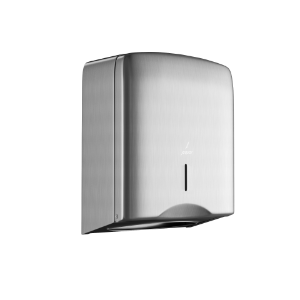
موزّع مناشف ورقية - مناشف أسطوانية أو ذات طيات على شكل حرف Z مركّبة على الحائط
الرمز : PTD-SAP-DT0106CSN
الدعوة لتسعير
- الصفحة 1 من 1 (1 مجموع)
Paper Towel Dispensers for Organised and Convenient Washrooms
Paper towel dispensers provide a practical way to store and distribute paper towels in washrooms. A well-positioned dispenser keeps towels accessible near the washbasin, helps organise the drying area and allows staff to manage replenishment as part of their regular cleaning routine.
Jaquar offers a wall-mounted paper towel dispenser designed for C-fold and Z-fold towels. The listed product has a capacity of approximately 400 to 600 towels and is constructed from AISI 304 stainless steel with a satin finish. Its design includes a front viewing slot for checking the remaining towel supply and a door that opens for replenishment.
These features make the dispenser worth considering for commercial washrooms where convenient access, straightforward restocking and a coordinated appearance are important. The right choice should be based on the type of paper towels used, expected visitor numbers, installation space and the facility's maintenance routine.
Paper towel dispensers can be incorporated into washrooms in offices, hospitality venues, restaurants, retail facilities, educational buildings and other shared environments. Their placement should support a natural movement from washing hands to drying them, without obstructing access to the basin or creating congestion.
For a complete washroom arrangement, explore Soap Dispensers and Hand Dryers alongside paper towel dispensing solutions.
Understanding C-Fold and Z-Fold Paper Towels
Paper towel dispensers are designed to work with particular towel formats. Understanding these formats is important before selecting a dispenser or ordering replacement towels.
C-Fold Paper Towels
C-fold towels are folded into a shape resembling the letter C when viewed from the side. They are stacked so that users can take a towel from the dispenser opening. The way the towels are loaded and dispensed depends on the design of the dispenser and the dimensions of the towels.
When choosing C-fold towels, verify the folded dimensions and compatibility with the dispenser. Towels that are too large or too thick for the unit may not dispense as intended.
Z-Fold Paper Towels
Z-fold towels are folded into an interlocking or Z-shaped arrangement. Depending on the towel design and dispenser configuration, pulling one towel can present the next towel for use. This can help make individual towel access more convenient.
As with C-fold towels, the size, fold and thickness must be compatible with the dispenser. The paper towel format should be confirmed before purchasing consumables in bulk.
Why Towel Compatibility Matters
The Jaquar wall-mounted dispenser is listed for C-fold and Z-fold towels. This means the towel format should be checked when ordering supplies. Not every paper towel dispenser accepts every fold type, and compatible dimensions may vary.
Before installation, confirm the intended towel type, folded size and loading method. This helps avoid problems such as towels becoming trapped, tearing during dispensing or failing to feed through the opening.
Features of the Jaquar Wall-Mounted Paper Towel Dispenser
The listed Jaquar paper towel dispenser includes several practical design features for everyday washroom use.
Wall-Mounted Installation
Wall mounting keeps the dispenser off the countertop and places towels within reach of the washbasin area. This can help preserve usable surface space and create a more organised arrangement.
The exact mounting position should be planned according to the basin, nearby fixtures, available wall space and the needs of users. The dispenser should be easy to reach without obstructing movement or interfering with other fittings.
Before installation, check the mounting dimensions, wall construction and fixing requirements. The selected wall must be suitable for the specified installation method.
Capacity of Approximately 400 to 600 Towels
The listed model has a stated capacity of 400 to 600 C-fold or Z-fold towels. Actual capacity may depend on the dimensions and thickness of the towels being used.
A dispenser's capacity affects the frequency of replenishment. Facilities with higher visitor numbers may need to inspect supplies more frequently, even when the dispenser accommodates a substantial stack of towels.
A practical replenishment schedule should account for peak usage periods, staff availability and the expected consumption rate. The aim is to keep towels available without requiring unnecessary inspections throughout the day.
AISI 304 Stainless Steel Construction
The product is specified as AISI 304 stainless steel with a satin finish. Stainless steel is commonly selected for washroom fittings because it offers a durable metal construction and a clean, understated appearance.
The satin finish can complement a range of commercial washroom designs. It can also be coordinated with other accessories where a consistent metallic appearance is preferred.
Cleaning products and methods should be suitable for the actual material and finish. Abrasive tools or unsuitable chemicals can affect the surface, so the manufacturer's care guidance should be followed.
Front Viewing Slot
The front viewing slot allows staff to check the remaining paper towel supply without opening the dispenser. This can make routine inspections easier and help cleaning teams identify when replenishment is needed.
The viewing slot should be included in regular checks, particularly in busy facilities. Staff should refill the dispenser before the supply is exhausted during peak periods.
Door for Replenishment
The product description identifies a door that opens for replenishment. This allows the towel supply to be accessed when the dispenser needs refilling.
The refill procedure should be carried out according to the product instructions. Staff should load the correct towel format, arrange the stack properly and ensure that the door is closed securely before returning the unit to service.
Choosing a Paper Towel Dispenser for Different Facilities
The right dispenser depends on the facility's size, visitor traffic, maintenance schedule and washroom layout.
Office Washrooms
Office washrooms generally need a practical solution that remains tidy throughout the working day. Consider the number of employees, the number of washbasins and the periods when usage is highest.
A dispenser with a viewing slot can help cleaning staff check towel levels during routine inspections. Wall mounting can also keep the basin area clearer, provided the unit is installed at a convenient height.
Hotels and Hospitality Venues
Hospitality washrooms often require a coordinated appearance and consistent maintenance. A satin stainless steel dispenser may complement other metallic fittings, depending on the design scheme.
The replenishment routine should account for visitor patterns, events and peak service periods. The dispenser should be positioned so users can access towels easily without obstructing the washbasin or the entrance.
Restaurants and Food-Service Facilities
In food-service environments, handwashing arrangements should be planned around the facility's hygiene procedures and applicable requirements. A paper towel dispenser can provide a designated drying point near the washbasin.
The installation should allow staff to clean around the unit and replenish towels without disrupting the washroom. Follow the facility's hygiene procedures and the applicable local requirements when choosing and positioning equipment.
Retail and Public Buildings
Public washrooms can experience variable visitor numbers, with sudden increases during busy periods. In these environments, capacity and inspection frequency are important considerations.
A dispenser's nominal capacity does not eliminate the need for regular checks. Cleaning teams should monitor usage, replenish towels when required and keep the dispenser and surrounding surfaces clean.
Educational and Shared Facilities
Shared washrooms need equipment that is straightforward to use and maintain. The dispenser should be securely installed, easy to access and suitable for the expected user group.
Staff should know how to reload the dispenser and identify common issues, including an empty supply, misaligned towels or a door that has not been closed properly.
Planning the Installation
A paper towel dispenser should be positioned close enough to the washbasin to make hand drying convenient, but not so close that it interferes with faucet operation or creates an awkward reach.
Before installation, consider:
- The height and location of the washbasin.
- The available wall area and nearby fittings.
- The dimensions of the dispenser and its door-opening clearance.
- The fixing method and suitability of the wall.
- The reach requirements of the intended users.
- Access for replenishment and routine cleaning.
- The location of any nearby electrical equipment or other fixtures.
The dispenser door needs sufficient clearance to open during refilling. A position that appears suitable when the unit is closed may prove inconvenient if a mirror, cabinet or other fitting prevents the door from opening fully.
For tiled walls, plan the installation carefully and verify the location of concealed services before drilling. Use the specified mounting hardware and ensure the dispenser is secure before use.
Paper Towel Dispensers Compared with Hand Dryers
Paper towel dispensers and hand dryers offer different approaches to hand drying. The best option depends on the facility's operating conditions, user preferences and maintenance resources.
A paper towel dispenser requires a supply of compatible towels and a process for replenishment and waste collection. A hand dryer requires a suitable electrical installation and routine equipment maintenance.
When comparing these options, consider the following:
Consumables: Paper towel dispensers need replacement towels. Hand dryers do not require paper consumables, although they need maintenance and electricity.
Space: Both options require suitable installation space. Paper towel dispensers also need a waste-management arrangement, while hand dryers need appropriate electrical connections and operating clearance.
Maintenance: Paper towel systems require supply checks and dispenser cleaning. Hand dryers need cleaning, inspection and servicing according to their specifications.
User flow: The position of either system should allow users to dry their hands without blocking other washroom users.
Facility requirements: Some facilities may prefer paper towels, while others may prefer hand dryers. The decision should follow the facility's usage patterns and applicable hygiene requirements.
Where both options are being evaluated, compare the relevant Hand Dryers before finalising the layout.
Cleaning and Maintenance
Regular cleaning helps keep a paper towel dispenser presentable and supports reliable operation. The cleaning schedule should reflect the number of users and the facility's operating hours.
Recommended routine checks include:
- Inspect the remaining towel supply through the viewing slot.
- Replenish the dispenser before the supply runs out.
- Check that towels are loaded correctly and dispense without unnecessary tearing.
- Clean the exterior using a method suitable for the stainless steel finish.
- Check the door and its opening mechanism.
- Ensure that the dispenser remains securely mounted.
- Clean the surrounding wall and washbasin area.
- Report damaged components or persistent dispensing problems.
Avoid abrasive cleaning pads and chemicals that may damage the finish. Do not force the door open or overload the dispenser beyond its intended capacity.
If towels do not dispense properly, check whether the stack is correctly loaded and whether the towel format is compatible. If the problem continues, consult the product instructions or arrange for the dispenser to be inspected.
Frequently Asked Questions
1. What is a paper towel dispenser?
A paper towel dispenser stores and releases paper towels so users can dry their hands after washing. Wall-mounted models keep the towels accessible while preserving countertop space.
2. What type of paper towels does the Jaquar dispenser support?
The listed Jaquar wall-mounted model is designed for C-fold and Z-fold paper towels. Confirm the dimensions and fold type of the towels before ordering supplies.
3. What is the capacity of the Jaquar paper towel dispenser?
The listed model has a stated capacity of approximately 400 to 600 C-fold or Z-fold towels. The actual number depends on the dimensions and thickness of the towels used.
4. What material is the Jaquar paper towel dispenser made from?
The listed model is constructed from AISI 304 stainless steel and has a satin finish. Check the product listing for the latest specifications.
5. Does the dispenser have a way to check the remaining towels?
Yes. The product description identifies a front viewing slot that allows staff to check the remaining towel supply.
6. Is the Jaquar paper towel dispenser wall-mounted?
Yes. The listed model is designed for wall-mounted installation. Confirm the mounting dimensions, fixing requirements and wall suitability before installation.
7. How do I choose the right location for a paper towel dispenser?
Position it near the washbasin so users can reach it comfortably after washing their hands. Allow enough clearance for the dispenser door to open during replenishment and ensure the unit does not obstruct movement.
8. How often should a paper towel dispenser be refilled?
Refill frequency depends on the number of users, the towel capacity and the rate of consumption. Inspect the supply regularly and replenish it before the dispenser runs empty, especially during peak usage periods.
9. How should a stainless steel paper towel dispenser be cleaned?
Use a soft cloth and a cleaning method suitable for the stainless steel finish. Avoid abrasive materials and unsuitable chemicals, and follow the manufacturer's care instructions.
10. Should I choose a paper towel dispenser or a hand dryer?
Consider the facility's layout, user preferences, maintenance routine, consumable requirements and electrical infrastructure. Paper towel dispensers need regular towel replenishment and waste management, while hand dryers need electricity and equipment maintenance.