


We use cookies to deliver the best possible experience on our website. By continuing to use this site, or closing this box, you consent to our use of cookies.

إكسسوارات الأدوات الصحية
Filters
Sort by
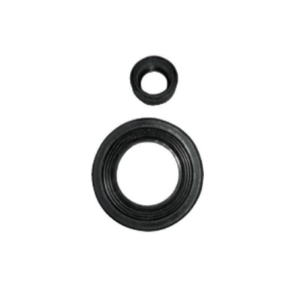
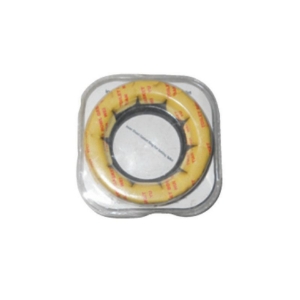
- الصفحة 1 من 1 (6 مجموع)
6. Sanitaryware Accessories
Sanitaryware Accessories for Reliable Installation and Everyday Functionality
Sanitaryware accessories are essential components used to connect, seal or secure sanitaryware installations. Unlike decorative bathroom accessories, these products support the correct installation and operation of fixtures such as toilets and water closets.
Jaquar's sanitaryware accessories listing includes vario bends, rack bolts for WCs, rack bolts, inlet and outlet gaskets, and wax seals. Each component has a specific purpose within a sanitaryware installation, and the correct selection depends on the fixture design, connection arrangement and installation requirements.
Choosing suitable components is important because incorrect fittings or incompatible seals can lead to installation difficulties, movement, leakage or drainage problems. Accessories should therefore be selected according to the relevant sanitaryware model and technical documentation rather than by appearance alone.
Sanitaryware accessories are often less visible than the finished fixture, but they play an important role in the reliability of the installation. Correct dimensions, compatible connections, appropriate fixing methods and proper sealing all contribute to the finished system.
For related product options, explore Sanitaryware and Sanitaryware Accessories.
What Are Sanitaryware Accessories?
Sanitaryware accessories are components used during the installation, connection or securing of bathroom fixtures. Depending on the application, they may help connect pipework, secure a WC to its mounting points or create a seal between connected parts.
These components are selected according to the design of the sanitaryware and the installation arrangement. A component that fits one WC or connection may not be suitable for another, even if the products appear similar.
Jaquar's listed range focuses on installation-related components, including vario bends, rack bolts, inlet and outlet gaskets, and wax seals. Each should be assessed according to its intended function and the requirements of the fixture being installed.
The most important selection criteria are compatibility, dimensions, material suitability, connection type and installation guidance.
Explore the Jaquar Sanitaryware Accessories Range
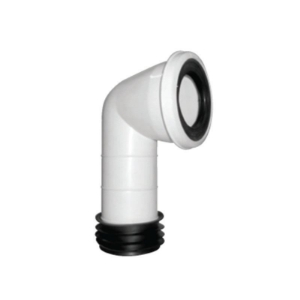
Vario Bends
A vario bend is a connection component used in certain WC installation arrangements. Its purpose and suitability depend on the specific design of the sanitaryware and the drainage configuration.
Before selecting a vario bend, confirm the WC outlet arrangement, the required connection dimensions and the installation space. The component must be compatible with the fixture and the drainage connection.
Incorrect selection can complicate installation or compromise the connection. Refer to the relevant product documentation and seek guidance from a qualified installer when the required configuration is unclear.
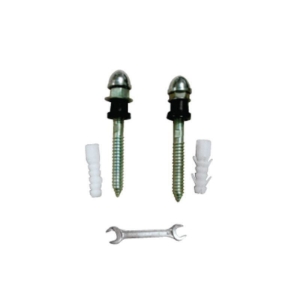
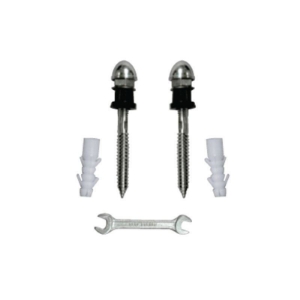
Rack Bolts for WCs
Rack bolts are fixing components used in certain WC installation arrangements. They help secure the fixture according to the specified mounting method.
Jaquar's sanitaryware accessories listing includes WC rack bolts in different product options. The appropriate component depends on the fixture, fixing arrangement and required dimensions.
Before purchase, check the WC installation instructions and confirm that the selected rack bolts are suitable. Correct installation is important to help keep the fixture secure and properly aligned.
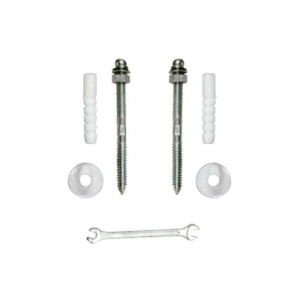
Other Rack Bolts
The listing also includes a rack bolt option separate from the items specifically labelled for WC use. Its intended application should be confirmed through the product documentation before selection.
Do not assume that every rack bolt has identical dimensions or can be used interchangeably. Confirm the required fixing arrangement, compatible fixture and installation method before ordering.
Inlet and Outlet Gaskets
Gaskets help create a seal between compatible components. In sanitaryware installations, the correct gasket depends on the connection being sealed and the dimensions of the mating parts.
An inlet or outlet gasket must be selected for the intended connection. Incorrect size, material or positioning can prevent a proper seal and may result in leakage.
Before installation, inspect the relevant connection surfaces and check the product instructions. Replace damaged or unsuitable sealing components rather than attempting to compensate with an incompatible part.
Wax Seals
A wax seal is used in certain WC installation arrangements to form a seal at the relevant connection. The correct selection depends on the sanitaryware configuration and installation method.
The seal must be positioned and installed according to the manufacturer's instructions. Incorrect installation or reuse of a seal where replacement is required can compromise the connection.
Because the seal is part of the installation, its suitability should be checked before the WC is positioned and secured.
Why Correct Accessory Selection Matters
Compatibility with the Sanitaryware
Sanitaryware components are not universally interchangeable. Differences in outlet position, mounting arrangement, connection dimensions and fixture design can affect which component is suitable.
Always identify the sanitaryware model and consult the relevant installation documentation. If the fixture has already been installed, inspect the existing connection and confirm the required dimensions before ordering replacement components.
Secure Fixing
Fixing components help secure sanitaryware in accordance with the intended installation method. Correct selection and installation can help prevent movement and misalignment.
Use the specified fixing components and follow the installation instructions. Avoid substituting parts solely because they appear similar.
Effective Sealing
Gaskets and wax seals serve sealing functions in compatible installations. Their condition, placement and suitability affect the quality of the connection.
Inspect sealing surfaces and ensure the correct component is used. If leakage occurs, the cause should be identified rather than addressed by adding incompatible materials or tightening components beyond the specified requirements.
Reliable Drainage Connections
Drainage connections need to match the sanitaryware outlet and the installed pipework. A suitable vario bend or other connection component must fit the required configuration.
Before completing the installation, verify the alignment and connection according to the relevant technical guidance. Where necessary, a qualified plumber should assess the installation.
Easier Maintenance and Replacement
Identifying the correct accessory before work begins can reduce installation delays and avoid repeated dismantling. Keeping the product information for the installed sanitaryware can also make future maintenance and replacement easier.
Record the fixture model and relevant component details as part of the installation documentation where practical.
How to Choose the Right Sanitaryware Accessories
1. Identify the Fixture
Start by identifying the sanitaryware model and the installation type. Determine whether the component is intended for a WC, a drainage connection, a fixing point or a sealing interface.
The product's intended function should be clear before dimensions or appearance are compared.
2. Check the Connection and Mounting Arrangement
Review the fixture's outlet position, connection dimensions and mounting requirements. These details help establish which vario bend, rack bolt or sealing component is appropriate.
Do not rely on visual similarity alone. Use the product documentation or seek assistance from the installer if the existing configuration is uncertain.
3. Confirm the Required Dimensions
Check the dimensions and connection details specified for the component. Even small differences may affect whether a part fits correctly.
For replacement work, compare the existing component with the product documentation and inspect the mating surfaces. Avoid ordering a substitute until compatibility is established.
4. Select the Correct Sealing Component
Gaskets and wax seals serve specific sealing functions. Confirm which type is required and follow the installation instructions for its positioning and use.
Do not assume that different seal types are interchangeable or that an unsuitable seal can be corrected by applying extra force during installation.
5. Review the Installation Instructions
Follow the manufacturer's installation guidance for the sanitaryware and the accessory. The instructions should guide component selection, positioning, fixing and any required checks.
If the installation involves concealed connections, drainage work or uncertain compatibility, seek assistance from a qualified plumber.
6. Confirm Current Product Information
Product specifications and availability can change. Check the current Jaquar listing or consult an authorised representative to confirm the details of the component required for the installation.
Avoid relying solely on an old invoice, a photograph or an informal description when exact compatibility is important.
Sanitaryware Accessories for Installation and Replacement Work
New WC Installations
For a new WC installation, identify all required connection, fixing and sealing components before work begins. Check which items are supplied with the sanitaryware and which need to be selected separately.
The installer should verify the connection arrangement, required fixing components and sealing method before positioning the fixture. This helps reduce delays and supports a more straightforward installation process.
Replacement of Existing Components
When replacing an accessory, identify the reason for the replacement and inspect the surrounding connection. A damaged gasket, unsuitable fixing or incorrect connection may require a different corrective action.
Confirm the required component dimensions and installation method. If the underlying issue is unclear, have the connection inspected before ordering replacement parts.
Renovation Projects
Bathroom renovation may involve changes to sanitaryware, drainage positions or mounting arrangements. Existing accessories should not automatically be assumed to fit a replacement fixture.
Review the proposed sanitaryware and the installation plan together. Confirm compatibility before purchasing components and before closing any concealed connections.
Maintenance and Repairs
Routine maintenance should address signs of movement, leakage or connection problems promptly. The correct response depends on the affected component and the cause of the issue.
Avoid forcing a fixture into position or tightening components without following the installation instructions. Where a WC needs to be removed or a drainage seal replaced, professional assistance may be appropriate.
Common Sanitaryware Installation Problems
Leakage Around a Connection
Leakage can result from an unsuitable seal, incorrect positioning, a damaged component or an installation issue. The cause should be identified before a replacement part is selected.
Inspect the relevant connection and refer to the installation guidance. Do not assume that applying additional sealant will correct an incompatible or incorrectly installed component.
A WC That Moves or Feels Unstable
Movement may indicate a fixing issue, an unsuitable mounting surface or another installation problem. Rack bolts and other fixing components must be appropriate for the fixture and installed according to the instructions.
Stop using the fixture if its stability is in doubt and arrange an inspection. Do not rely on a loose WC or attempt an improvised repair.
An Incompatible Drainage Connection
A drainage connection may be unsuitable because the outlet arrangement, dimensions or alignment does not match the sanitaryware. The required component should be confirmed before the installation is completed.
Consult the technical documentation and seek professional advice where the connection requirements are unclear.
A Repeated Sealing Problem
If a connection continues to leak after a seal has been replaced, the underlying cause may involve incorrect component selection, damaged mating surfaces, alignment or installation technique.
A repeated problem should be assessed rather than addressed through repeated replacement without diagnosis.
Frequently Asked Questions
1. What are sanitaryware accessories?
Sanitaryware accessories are components used to connect, seal or secure bathroom fixtures. Examples include vario bends, rack bolts, inlet and outlet gaskets, and wax seals.
2. What products are listed in Jaquar's sanitaryware accessories range?
The current listing includes a vario bend, WC rack bolts, another rack bolt option, an inlet and outlet gasket, and a wax seal. Check the product listings for the current specifications and availability.
3. What is a vario bend used for?
A vario bend is a connection component used in certain WC installation arrangements. Its suitability depends on the sanitaryware outlet, drainage configuration and specified connection dimensions.
4. What are WC rack bolts used for?
WC rack bolts are fixing components used to secure a WC according to its intended mounting arrangement. The correct type should be selected based on the fixture and its installation instructions.
5. What is the purpose of an inlet and outlet gasket?
A gasket helps form a seal between compatible components. The correct gasket depends on the connection dimensions, the parts being joined and the product's intended application.
6. What is a wax seal used for in a WC installation?
A wax seal is used in certain WC installation arrangements to create a seal at the relevant connection. It must be compatible with the installation and fitted according to the manufacturer's instructions.
7. Are sanitaryware accessories interchangeable between different WC models?
Not necessarily. Connection dimensions, outlet positions and mounting arrangements can vary between fixtures. Confirm compatibility with the relevant technical documentation before selecting a component.
8. How do I choose the correct replacement sanitaryware accessory?
Identify the sanitaryware model, determine the component's function and confirm the dimensions and connection arrangement. If the existing component is damaged or compatibility is uncertain, consult a qualified installer.
9. Should sanitaryware accessories be installed by a professional?
Professional installation is recommended where components involve WC fixing, drainage connections or sealing arrangements that could cause leakage or instability if fitted incorrectly. Follow the manufacturer's installation instructions.
10. What should I check before purchasing sanitaryware accessories?
Confirm the fixture model, component type, dimensions, connection arrangement, fixing requirements and intended application. Check the current Jaquar product information and verify compatibility before ordering.