


We use cookies to deliver the best possible experience on our website. By continuing to use this site, or closing this box, you consent to our use of cookies.
Hand Dryers
Filters
Sort by
- الصفحة 1 من 1 (3 مجموع)
Hand Dryers for Convenient and Hygienic Washrooms
Hand dryers provide a practical way to dry hands after washing while reducing dependence on disposable paper towels. They are commonly considered for commercial washrooms, offices, hospitality venues, retail facilities and other shared environments where reliable hand-drying arrangements are important.
Jaquar's hand dryer range includes touch-free infrared models such as Nuovo Dualflow, Flash and Bolt. These products are designed for wall-mounted installation, with model-specific characteristics that should be reviewed before selection. The range offers options for facilities looking to incorporate sensor-operated hand drying into their washroom design.
Selecting a suitable hand dryer involves more than comparing appearance. The expected number of users, available wall space, electrical infrastructure, drying performance, sound levels, cleaning access and maintenance arrangements all influence the suitability of a product.
A well-planned installation places the dryer within convenient reach of the washbasin, provides sufficient clearance for users and allows maintenance teams to access the equipment when required. It should also fit the overall washroom layout without creating congestion around the washing and drying areas.
For a complete handwashing arrangement, consider pairing Hand Dryers with Soap Dispensers and Paper Towel Dispensers, depending on the facility's requirements.
What Is a Hand Dryer?
A hand dryer is an electrical appliance that dries washed hands using a directed flow of air. Depending on the model, the appliance may use a sensor to detect a user's hands and activate automatically.
Touch-free operation allows users to begin drying without pressing a button or operating a physical switch. Infrared sensing is one method used to detect the presence of hands within the sensor's operating area.
Hand dryers are typically installed near washbasins or in a designated drying area. Their positioning should allow users to move naturally from washing their hands to drying them without blocking access for others.
The product's drying method, airflow design, motor, power consumption, operating sound and maintenance requirements vary by model. These details should be checked against the specifications of the selected product rather than assumed to be the same across the entire range.
Explore Jaquar Hand Dryer Options
Jaquar's listed hand dryer range includes three options with different product designs.
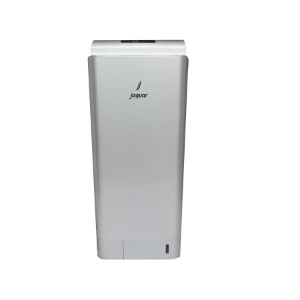
Nuovo Dualflow Touch-Free Infrared Hand Dryer
Nuovo Dualflow is a touch-free infrared hand dryer listed in Jaquar's washroom accessories range. Its dual-flow design distinguishes it from models with other airflow configurations.
When evaluating this model, consider the available installation space, intended user volume and product-specific technical specifications. Confirm the airflow arrangement, operating requirements, dimensions and maintenance instructions before finalising the installation.
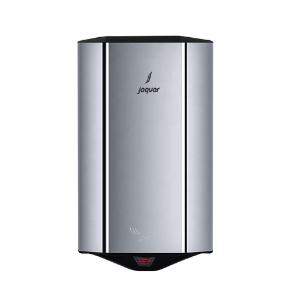
Flash Touch-Free Infrared Hand Dryer
Flash is a touch-free infrared hand dryer with a stainless steel construction. Its listed specifications include AISI 304 stainless steel, a stainless steel finish and a rated power of 1,150 W.
These details can help facilities assess the model against their installation and equipment requirements. Confirm the current product documentation for the complete specifications, including the electrical supply, dimensions and installation clearances.
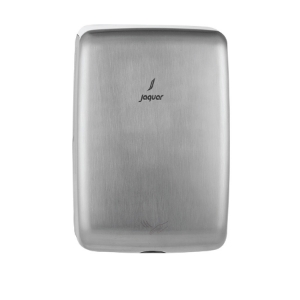
Bolt Touch-Free Infrared Hand Dryer
Bolt is another touch-free infrared hand dryer listed in the Jaquar range. It provides an additional option for facilities comparing automatic hand-drying products.
Before choosing Bolt, review its current product specifications and compare the installation requirements, physical dimensions, operating characteristics and maintenance needs with the other available options.
Benefits of Touch-Free Hand Dryers
Convenient Operation
Touch-free operation simplifies the drying process. Users position their hands within the sensor's detection area, and the appliance activates according to its operating design.
This can be particularly useful in shared washrooms where many people use the same equipment throughout the day. The sensor should be positioned and configured according to the product instructions to support consistent operation.
Reduced Dependence on Paper Towels
A hand dryer can reduce the need to purchase, store and replenish paper towels for hand drying. This may simplify consumable management in facilities with regular washroom usage.
However, a hand dryer still requires electricity, cleaning and maintenance. The overall operating implications depend on usage, energy consumption, service requirements and the alternative drying method being considered.
Cleaner Washroom Organisation
Replacing or supplementing paper towel dispensing with a hand dryer can change how the washroom is organised. Facilities may need less storage space for paper towel supplies and may have fewer used towels to collect from drying areas.
The overall result depends on the selected setup. Where paper towels remain available as an alternative, the facility will still need to maintain dispensers and manage waste.
Integration with Commercial Washrooms
A wall-mounted dryer can be incorporated into a planned washroom layout without using a freestanding appliance. Its dimensions, mounting position and surrounding clearance should be considered alongside washbasins, mirrors, doors and other fittings.
The design should allow users to reach the dryer comfortably while leaving sufficient space for other washroom users.
A Consistent User Experience
Sensor-operated equipment can provide a consistent operating method across a facility. This can be helpful where multiple washrooms use the same type of hand-drying equipment.
To maintain consistent performance, the equipment should be installed correctly, kept clean and inspected according to the manufacturer's instructions.
How to Choose the Right Hand Dryer
Choosing a hand dryer should begin with an assessment of the washroom rather than the product appearance alone.
1. Assess Daily User Volume
Estimate how many people use the washroom during a typical day and when the busiest periods occur. A small office washroom may have different requirements from a busy hospitality venue or public facility.
Usage patterns affect equipment selection, the number of units needed and the maintenance schedule. Consider peak demand as well as average daily traffic.
2. Check the Available Installation Space
Measure the available wall area and review the proposed mounting position. The dryer should be within convenient reach but should not interfere with taps, mirrors, doors or the movement of users.
Allow for the clearances specified in the product documentation. The installation should also provide suitable access for cleaning and servicing.
3. Review the Electrical Requirements
Hand dryers are electrical appliances and must be installed according to their specified electrical requirements. Check the rated power, supply requirements and installation instructions for the selected model.
Electrical work should be completed by a suitably qualified professional in accordance with applicable requirements. Do not assume that every hand dryer has the same power demand or connection arrangement.
4. Consider Operating Sound
Sound levels can matter in offices, hotels, restaurants and other environments where washroom noise may affect nearby spaces.
If noise is a concern, compare the sound specifications of the shortlisted products and consider the location of the washroom in relation to adjacent rooms. Do not assume that a particular motor or design is silent unless the product documentation confirms the relevant performance.
5. Understand Maintenance Requirements
Routine maintenance may include cleaning the exterior, inspecting the sensor area and checking the appliance according to the manufacturer's instructions. Certain models may require additional servicing.
Consider who will be responsible for cleaning and maintenance, how frequently the washroom is inspected and whether service access is available without disrupting users.
6. Compare the Full Product Specifications
The product name alone does not establish drying time, airflow performance, energy efficiency or sound level. Compare the published specifications of the actual models being considered.
Where these characteristics are important to the facility, use documented performance data rather than general assumptions about automatic hand dryers.
Hand Dryers for Different Environments
Office Washrooms
Office washrooms benefit from equipment that is convenient to use and straightforward to maintain. Consider the number of employees, visitor traffic, washroom dimensions and cleaning schedule.
A wall-mounted touch-free dryer can be included in the handwashing area, provided that the installation meets the model's requirements. Maintenance staff should have a clear process for inspecting and cleaning the appliance.
Hotels and Hospitality Venues
Hospitality environments need equipment that supports a well-organised visitor experience. The dryer should complement the washroom's design and be positioned to maintain a smooth flow of movement.
The selected model should be evaluated against expected guest numbers, operating hours, noise considerations and service arrangements. The finish can also be considered alongside the washbasin fittings and other accessories.
Retail and Public Facilities
Public washrooms may experience substantial fluctuations in visitor volume. Equipment selection should account for peak periods and the availability of maintenance staff.
Facilities should ensure that the dryer remains accessible, that users can move through the space safely and that regular inspections are included in the washroom maintenance routine.
Restaurants and Food-Service Facilities
In restaurants and other food-service settings, hand-drying arrangements should form part of the wider handwashing setup. The choice between a hand dryer, paper towels or a combination of options should reflect the facility's hygiene procedures and applicable requirements.
The location should be practical for users and should not obstruct access to the washbasin or other essential fittings.
Educational and Shared Buildings
Shared facilities require clear, accessible equipment and a predictable maintenance routine. The selected hand dryer should be suitable for the anticipated user group and the physical environment.
Check mounting height, operating instructions and accessibility considerations before installation. Inspect the unit regularly and address any operating issues promptly.
Hand Dryers Compared with Paper Towel Dispensers
Hand dryers and paper towel dispensers provide different ways to dry hands. Neither option should be selected solely on the basis of its initial purchase price.
Consumables: Hand dryers do not require paper towels, whereas dispensers need a continuing supply of compatible towels.
Electrical infrastructure: Hand dryers require an appropriate electrical installation. A paper towel dispenser does not need an electrical supply unless it includes powered features.
Waste management: Paper towels create used-towel waste that must be collected and managed. Hand dryers reduce dependence on paper towels when used as the primary drying method.
Maintenance: Hand dryers need equipment cleaning and servicing. Paper towel dispensers need replenishment, cleaning and checks to ensure that towels dispense properly.
Space planning: Both products need suitable installation positions. Paper towel systems also require consideration of waste bins and towel storage, while hand dryers require the clearances and connections specified for the appliance.
User requirements: The preferred option may vary according to the facility, user preferences and operational needs. Some washrooms may provide both options.
For a paper-based drying setup, explore Paper Towel Dispensers and compare the requirements with those of the selected hand dryer.
Installation Considerations
Correct installation supports reliable operation and makes cleaning easier.
Before installation, review the following:
- Confirm the model and its installation instructions.
- Check the dimensions and mounting requirements.
- Verify that the wall is suitable for the intended fixing method.
- Confirm the electrical supply and connection requirements.
- Check clearance around the appliance and nearby fittings.
- Position the unit for convenient access from the washbasin.
- Ensure the installation does not obstruct doors or circulation routes.
- Allow suitable access for cleaning and servicing.
- Follow applicable electrical, building and accessibility requirements.
The final mounting position should be based on the product instructions and the needs of the intended users. Where several dryers are being installed, plan their positions consistently while allowing for the actual washroom layout.
Cleaning and Maintenance of Hand Dryers
A routine cleaning schedule helps keep the appliance presentable and supports dependable operation.
Exterior Cleaning
Clean the exterior using a soft cloth and products suitable for the surface finish. Avoid abrasive materials or chemicals that could damage the stainless steel or other finishes.
Follow the product's cleaning instructions and ensure that the appliance is handled safely during cleaning.
Sensor Area Inspection
Dust or residue around a sensor can affect its operation. Inspect and clean the sensor area according to the manufacturer's instructions.
If the dryer activates unexpectedly or fails to respond consistently, check the sensor area and consult the product documentation before arranging further inspection.
Routine Operational Checks
Include the dryer in scheduled washroom inspections. Check for visible damage, unusual noise, loose mounting and inconsistent operation.
Electrical faults, damaged components and persistent performance problems should be assessed by a qualified professional. Do not attempt repairs that fall outside the facility's authorised maintenance procedures.
Maintenance Planning
Maintenance frequency depends on usage, the environment and the manufacturer's recommendations. A high-traffic washroom may need more frequent inspections than a facility with occasional use.
Keep a record of inspections and reported issues where this supports the facility's maintenance process. A clear procedure helps staff identify recurring problems and arrange servicing promptly.
Frequently Asked Questions
1. What is a hand dryer?
A hand dryer is an electrical appliance that dries hands by directing air over them. Many modern models use sensors to activate automatically when hands are detected.
2. What types of hand dryers are available from Jaquar?
Jaquar lists Nuovo Dualflow, Flash and Bolt touch-free infrared hand dryers. Each model has its own product specifications, so compare the relevant details before selecting one.
3. Are Jaquar hand dryers touch-free?
The listed Nuovo Dualflow, Flash and Bolt models are described as touch-free infrared hand dryers. Their operating and installation requirements should be confirmed in the relevant product documentation.
4. What is the benefit of a touch-free hand dryer?
Touch-free operation allows the appliance to activate through sensor detection rather than requiring users to press a button. This provides a convenient operating method in shared washrooms.
5. Are hand dryers suitable for commercial washrooms?
They can be suitable for offices, hospitality venues, retail facilities and other shared environments when the selected model meets the facility's usage, installation, electrical and maintenance requirements.
6. Do hand dryers require an electrical connection?
Yes. Hand dryers are electrical appliances. Confirm the rated power and supply requirements of the selected model and arrange installation according to the manufacturer's instructions and applicable electrical requirements.
7. Are hand dryers better than paper towel dispensers?
The choice depends on the facility's priorities. Hand dryers reduce dependence on paper consumables but require electricity and equipment maintenance. Paper towel dispensers require regular replenishment and waste management.
8. How should a hand dryer be positioned?
Position it within convenient reach of the washbasin while maintaining the required clearance around the unit. Check the installation instructions, mounting height and accessibility needs before fixing the appliance in place.
9. How do I maintain a hand dryer?
Clean the exterior and sensor area using suitable methods, inspect the appliance regularly and follow the manufacturer's servicing instructions. Persistent faults or electrical issues should be handled by a qualified professional.
10. How do I select the right Jaquar hand dryer?
Compare the available models according to dimensions, electrical requirements, airflow design, operating characteristics, installation conditions and maintenance needs. Use the current technical documentation to confirm the specifications of the model being considered.